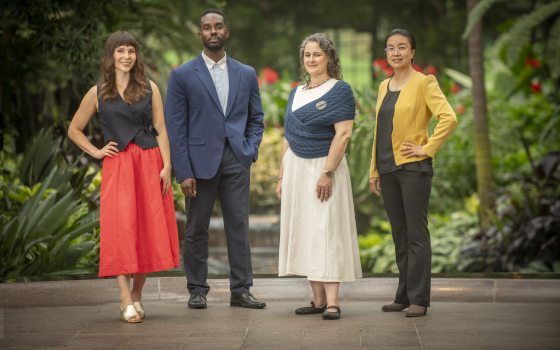
Leadership in public gardens is evolving, and so are the leaders shaping its future. The Longwood Fellows Program brings together professionals from around the world, each with a unique perspective, cultural lens, and commitment to stewarding landscapes with purpose. Through immersive learning, collaboration, and reflection, these Fellows are redefining what it means to be future-ready leaders in the garden world. From Arctic greenhouses to historic estates, their stories are rooted in curiosity, community, and care. Here, as they soon embark on their two-month externship at partner gardens, we share their reflections on their Fellows journey thus far, and all that’s to come.
Yan Li
Curiosity. Collaboration. Growth. These are the words that have shaped Yan Li’s journey from Shenyang, China, to the Longwood Fellows Program, a journey rooted in a love for both plants and people. For 13 years, Li has worked at Shenyang Arboretum, overseeing plant information and popular science education. Her passion for helping others discover the beauty and knowledge of plants has guided her professional life. Yet in recent years, one question kept returning: What makes a good leader and how can I become one in the garden world?
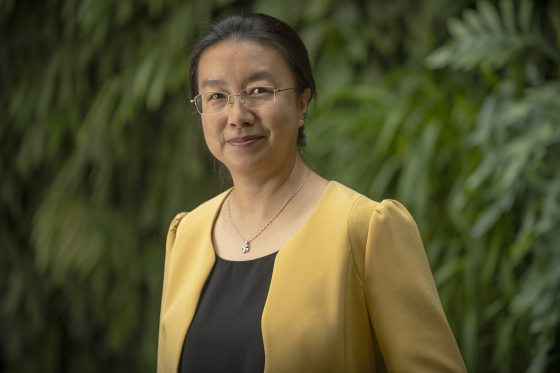
Longwood Fellow Yan Li. Photo by Carlos Alejandro.
That search for understanding led Li to the Longwood Fellows Program, a global initiative designed to strengthen leadership in public horticulture. “The program offered a structured path to deepen my knowledge and skills,” she shares. “It aligned perfectly with my career aspirations. From theory to practice, this experience is unique,” she says with a smile. “I believe I’ll have the perfect answer to my question by the time I complete the program this year.”
Over the past several months, Li and her cohort have explored an array of learning experiences, from nonprofit finance and team coaching to lively, face-to-face discussions with leaders from gardens around the world. These sessions, she says, have been some of the most impactful moments so far. “We’ve had discussions about the hot topics facing botanical gardens today,” Li reflects. “Those conversations inspired me a great deal and reminded me that I’m exactly where I need to be.”
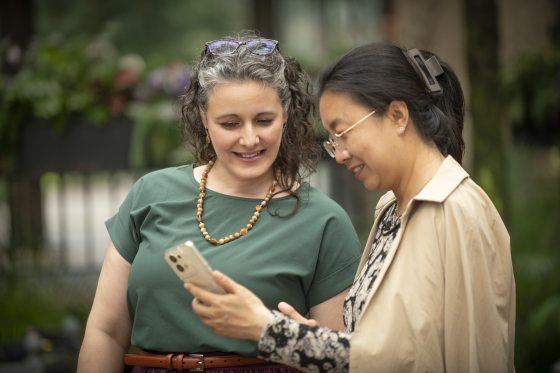
From left: Fellows Jennifer Dick and Yan Li. Photo by Carlos Alejandro.
For Li, leadership is not a static concept; it’s an evolving practice grounded in empathy, empowerment, and inclusion. “These ideas help me grow and understand how to lead an effective team,” she shares. Her international perspective adds a unique depth to her approach. “That diversity of thought allows me to see challenges and opportunities from many angles.”
Within the Fellows cohort, Li finds constant opportunities to learn through collaboration. “Working with peers on projects brings me new ideas and approaches,” she notes. “It’s helping me refine my skills and grow both personally and professionally.” Her global outlook has also enriched her team’s dynamic. “My cultural perspectives and ways of thinking inject vitality into the group,” Li adds. “They encourage more innovative discussions and creative approaches to our studies.”
Li will soon travel to The Huntington (San Marino, CA) for her two-month externship at a partner garden, studying and learning about the host organization and its structure, culture, and approach to staff management and leadership.
Carmen Grey
Resilient. Reflective. Inspired. Raised in Winnipeg, Manitoba, Carmen Grey grew up among gardens and wild prairie landscapes, learning from her parents and Indigenous teachings to observe, listen, and engage with the natural world. A chance volunteer shift at a conservatory at age 13 sparked her lifelong horticulture path, one that has since taken her across Canada and beyond. Soon, like Li, Grey will travel to The Huntington (San Marino, CA) for her garden placement.
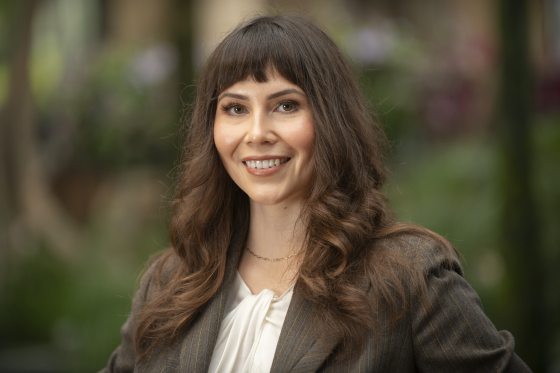
Longwood Fellow Carmen Grey. Photo by Carlos Alejandro.
From tending a private garden in Tofino to growing food in a converted Arctic hockey arena, Grey’s career has shown her how plants connect communities, strengthen resilience, and invite joy. Influential mentors encouraged her to study business and later pursue the Longwood Fellows Program, helping her link horticulture to leadership, systems, and strategy.
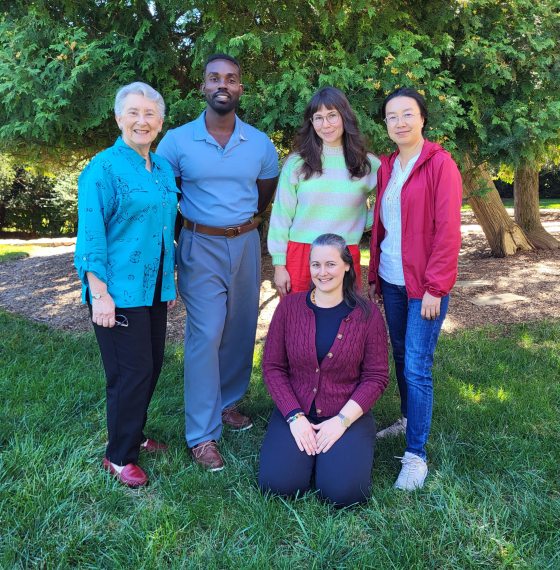
From left: President of The Detwiler Group Susan Detwiler with Fellows Nathaniel Cody, Carmen Grey, Yan Li, and Jennifer Dick. Photo provided by Nathaniel Cody.
At Longwood, Grey has embraced deep self-reflection. “To lead others, you must understand yourself,” she shares. Her view of public gardens has expanded as well: “Horticulture is essential, but so are the teams, systems, and communities behind it.”
A highlight was co-leading a workshop for Longwood’s Teen Volunteers. “Our team worked beautifully,” she recalls. “Seeing young people light up, it reminded me why public gardens matter.”
Grey hopes to be a visible example for Indigenous women in horticulture and to cultivate joy-centered leadership. “I want to create welcoming spaces and inspire the next generation,” she says. “Leadership should uplift, empower, and make room for others to shine.”
Jennifer Dick
Curious. Compassionate. Collaborative. Growing up in rural Québec, Jennifer Dick developed a deep connection to forests, wetlands, and farmland. A provincial park role early in her career sparked her love for interpretation and connecting people with nature, a passion that led her into public gardens and eventually Longwood, and, soon to Holden Forests & Gardens (Cleveland, OH) for her garden placement.

Longwood Fellow Jennifer Dick. Photo by Carlos Alejandro.
Dick discovered the Fellows Program years ago and chose this moment to invest in her leadership. “Leaving home for a year was daunting,” she says, “but it felt right to grow so I can better support others.” The program’s culture and transparency have reinforced her belief that leadership thrives on trust, honesty, and humility.
She has been inspired by visits to gardens operating with limited resources but tremendous impact. “These leaders remind me that scale doesn’t determine significance,” she says. “Strong relationships and mission-driven work do.”
Dick’s leadership philosophy has sharpened: great leaders grow other leaders. Her background in science communication and interpretation guides her approach, uplifting others, inspiring curiosity, and fostering environments where people feel valued.
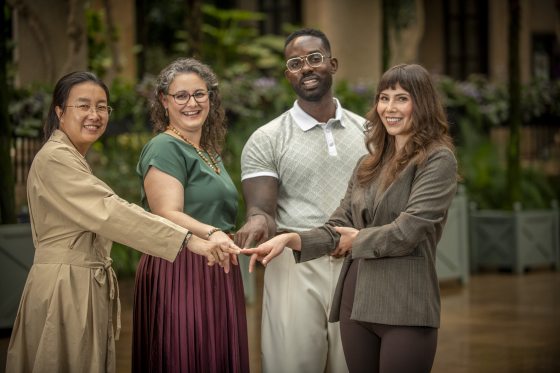
From left: Fellows Yan Li, Jennifer Dick, Nathaniel Cody, and Carmen Grey in Longwood’s Main Conservatory. Photo by Carlos Alejandro.
Collaboration and emotional-intelligence work in the program have strengthened her understanding of team dynamics. “We each bring unique strengths, and together we build something greater,” she notes. “For me, success means helping people connect deeply with nature and one another. If I can inspire curiosity and empower others, that’s leadership.”
Nathaniel Cody
Adaptable. Authentic. Anchored in service. For Nathaniel Cody, the Longwood Fellows Program has been more than professional development; it has been a journey of belonging, discovery, and redefining leadership through authenticity and compassion. Raised in a military family that moved from Arizona to Alaska to Virginia, Cody learned early that service, community, and adaptability shape strong leaders. “My parents taught me the value of family bonds and the power our actions have on others,” he shares. Watching his parents lead instilled a belief that leadership is not about titles but about showing up and serving.
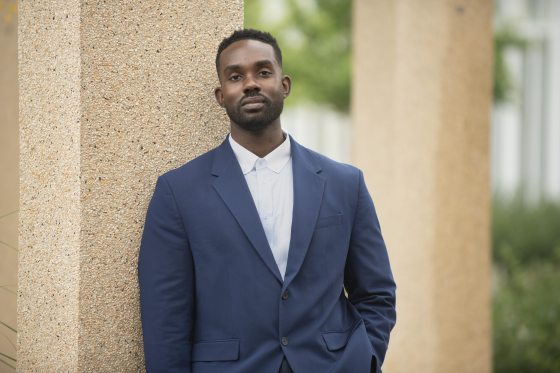
Longwood Fellow Nathaniel Cody. Photo by Carlos Alejandro.
Cody’s path into public horticulture began unexpectedly. A simple “Why not?” to a friend’s suggestion led to an informal conversation with the CEO of Norfolk Botanical Garden, a moment that opened a door he hadn’t imagined. “I didn’t know much about gardens at the time,” he reflects. “But I was open to change. When a door opens, you run toward it.” What began as a leap of faith soon became a calling, one that merged creativity, community engagement, and his instinct to help people feel seen. “It felt like a place where I belonged,” he says.
Resilience sits at the heart of Cody’s leadership philosophy. “I deeply admire leaders who stay steady in times of rapid change,” he says. “It takes courage to keep stepping back into the ring. That kind of perseverance is what I strive to cultivate.” The Fellows Program has expanded this mindset, offering exposure to visionary leaders, diverse gardens, and new models of purpose-driven work. “What has surprised me most is how generous people share their knowledge,” he adds. “It’s humbling and motivating.”
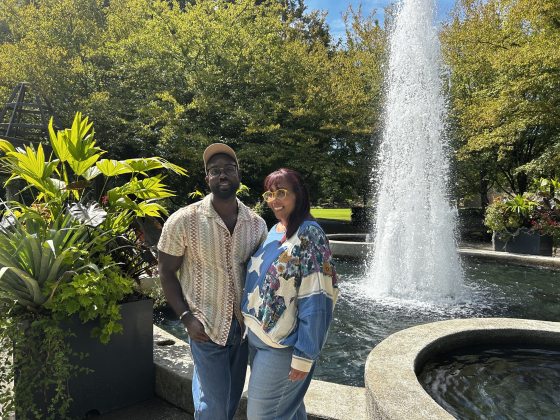
Fellow Nathaniel Cody and Executive Director of Memphis Botanical Garden Marylynn Mack. Photo provided by Nathaniel Cody.
A defining moment in his fellowship came during a visit with his mentor, MaryLynn Mack, Executive Director of Memphis Botanic Garden. The city’s phrase—Where grit meets growth—resonated deeply. “It captures the spirit of the garden,” Cody says, noting how it evolved from a simple park into a cultural and botanical destination. Witnessing Mack’s leadership reaffirmed his belief that gardens are not passive landscapes, but community anchors where stories, belonging, and transformation take place. “Some people think gardens are just parks,” he says. “But they can be the heartbeat of a community.”
Cody’s background in art and storytelling informs how he leads. “I see people and place as part of one shared narrative,” he explains. “My job is to listen, to connect threads, and to create space for others to shine.” Within his cohort, this has earned him the affectionate nickname “Airport Dad,” a nod to his steady organization and instinct to make sure everyone feels supported. Collaboration has taught him to balance empathy, accountability, and collective strength. “Leadership is dynamic,” he says. “It’s about embracing imperfection, reflecting, and bringing others with you.”
Looking ahead, Cody is committed to shaping gardens where everyone feels welcome, valued, and represented, and will do so during his upcoming garden placement at Royal Botanic Garden Edinburgh (Edinburgh, Scotland). “Public gardens are about belonging, joy, and legacy,” he says. “My purpose is to help cultivate spaces, and future leaders, who make that possible.”