Main Fountain Garden District

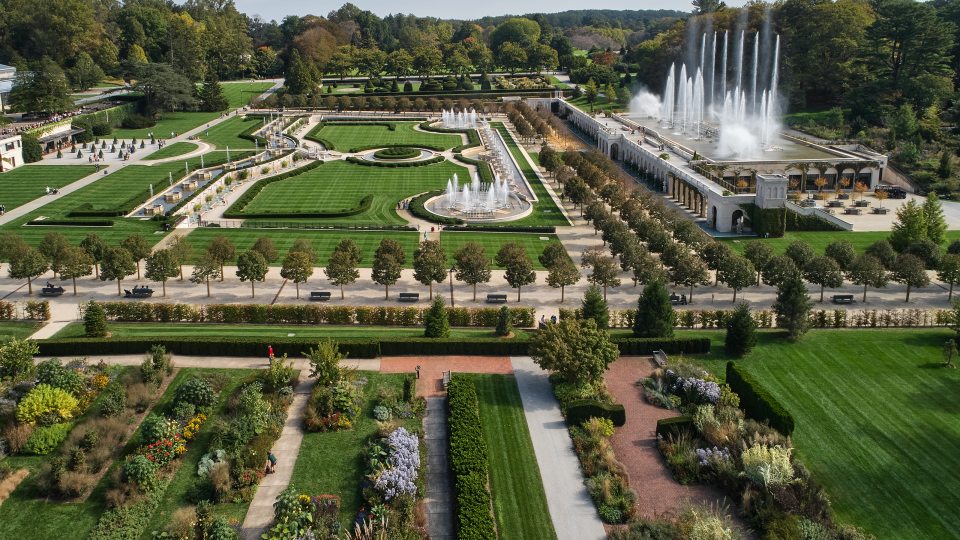
Aerial view of a large fountain garden to the upper right, a topiary garden at the top, and a lined flower bed garden at the bottom

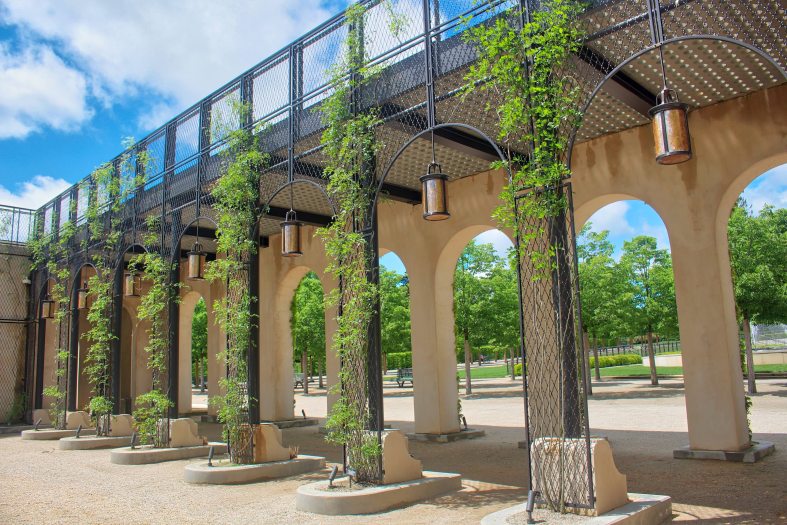
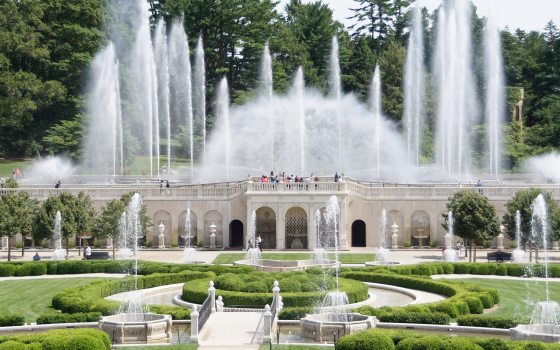
The Main Fountain Garden District represents the culmination of founder Pierre S. du Pont’s vision for Longwood: the garden as grand theater. In addition to stunning European-inspired architecture and mesmerizing fountain performances in the Main Fountain Garden, the Rose Garden stuns with four seasons of expression, in view of the expertly clipped Topiary Garden and its geometric shapes. To the east of the fountains, the Idea Garden echoes the orderly spirit of formal design with its Carpinus hedge and rectangular beds—defining a space that celebrates the creative process of gardening.

About This District

The classical gardens of this area have captivated guests for more than 90 years. Inspired by Pierre’s travels to Europe’s great water gardens and his seminal visits to several world’s fairs and expositions, the Main Fountain Garden highlights his lifelong passion for horticulture, engineering marvels, and the beauty of exceptional design.
Gardens in this District

  • Idea Garden
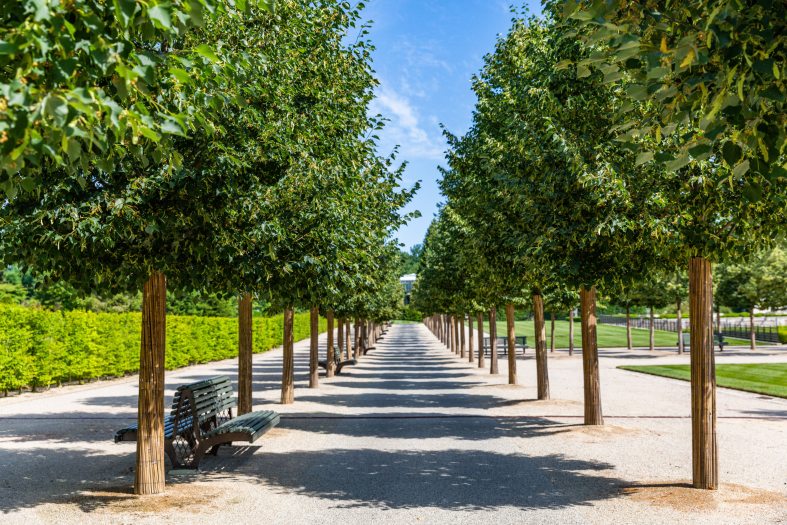
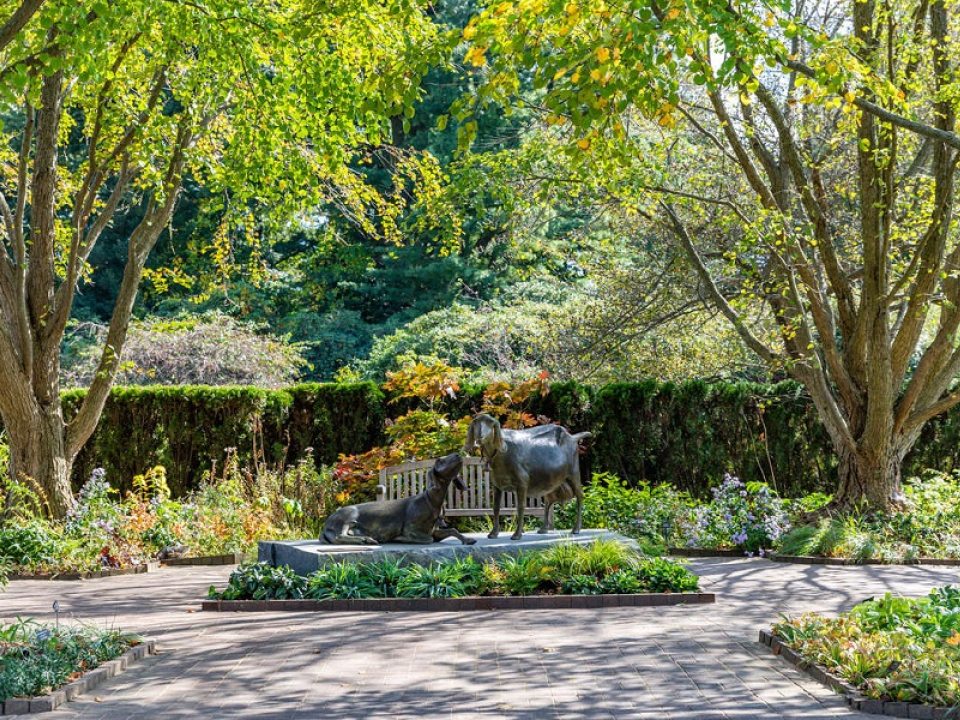
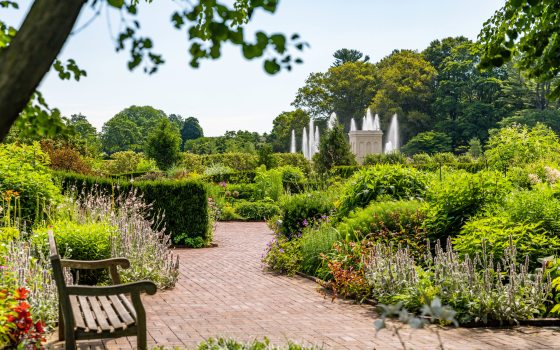
    A brick walkway with a wooden bench winds through green garden beds with fountains in the distance

    Idea Garden

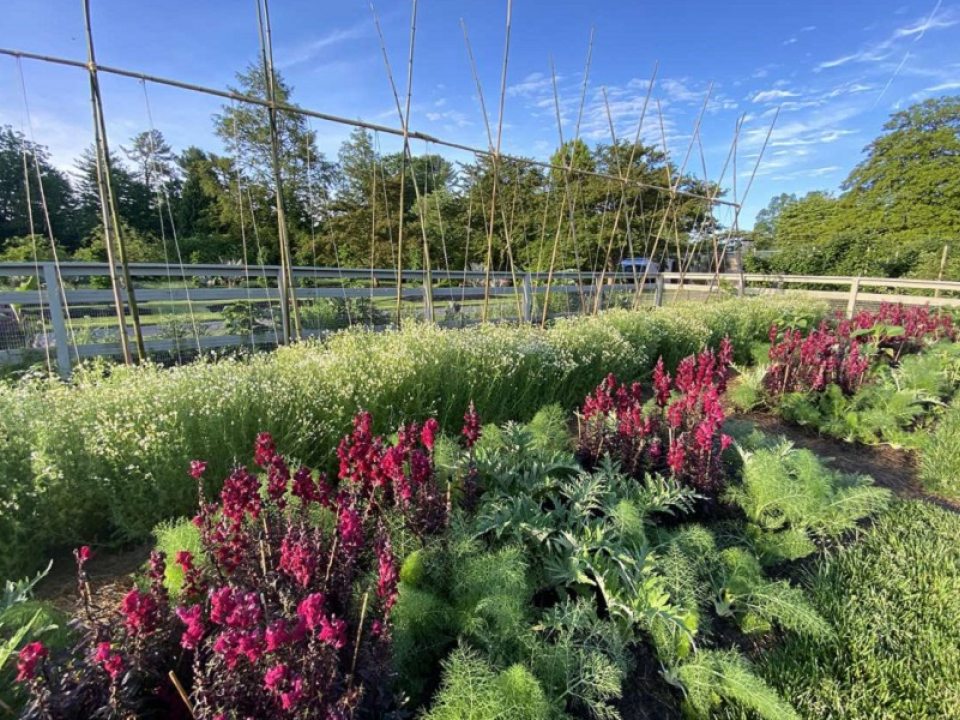
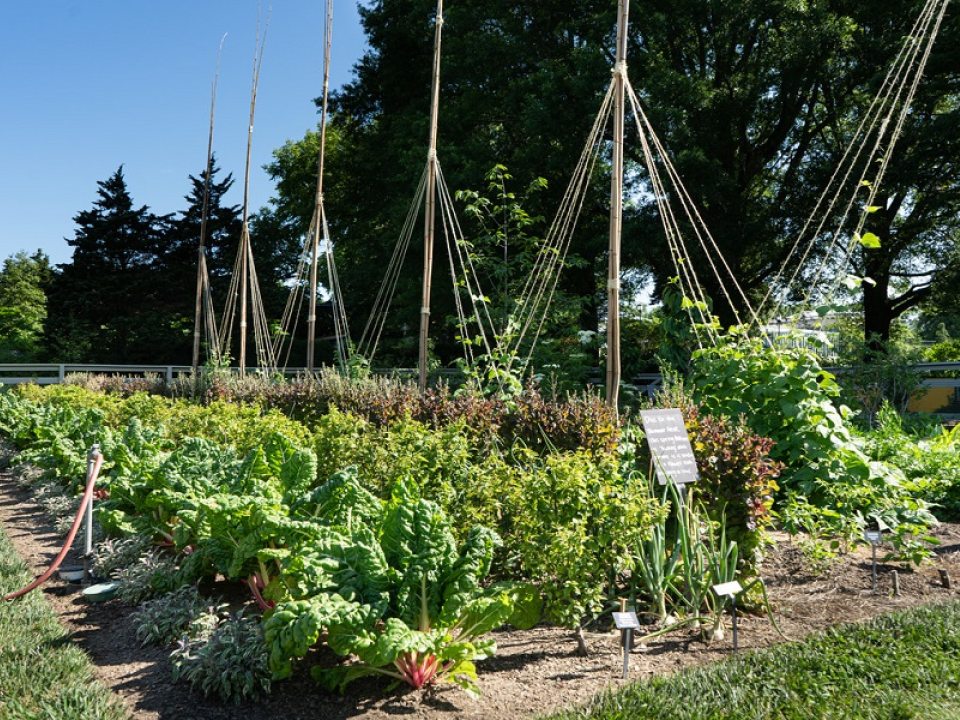
    Horticultural inspiration comes closer to home in this inspired and beloved garden, where educational, experimental approaches to gardening and design are explored using plant varieties that can be reliably grown by home gardeners in the mid-Atlantic region.

  • Main Fountain Garden
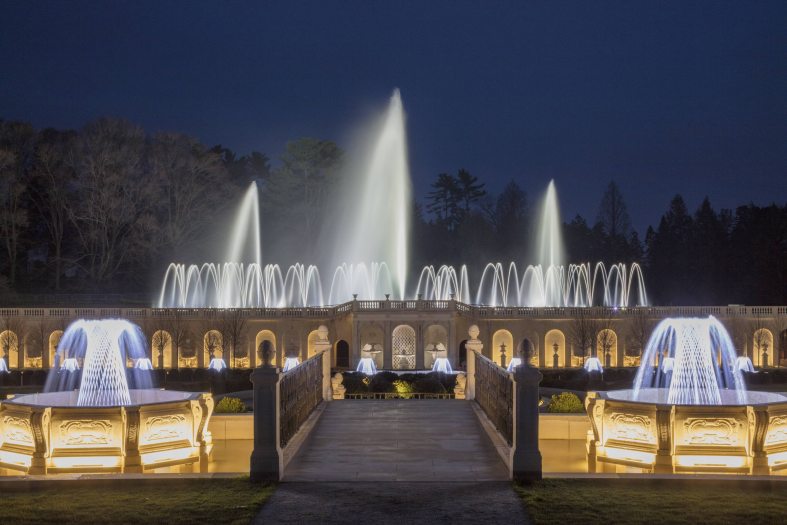
    A large display of fountains shoots skyward above a stone facade, with green gardens and smaller fountains in the foreground.

    Main Fountain Garden

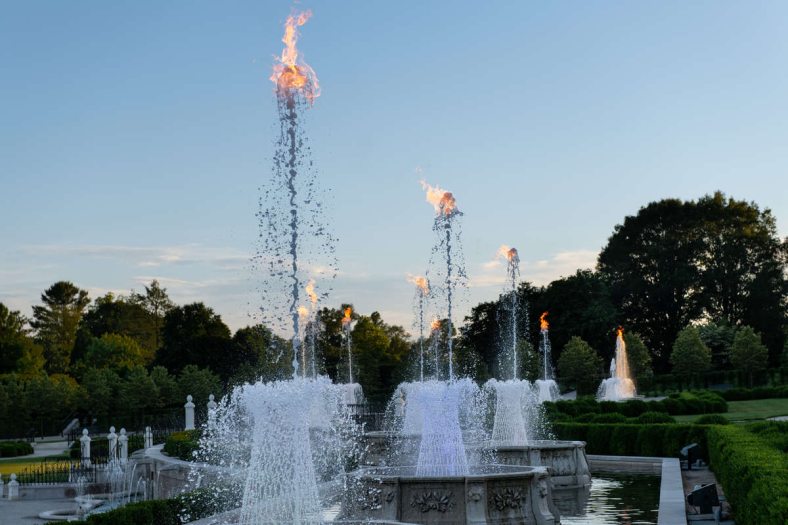
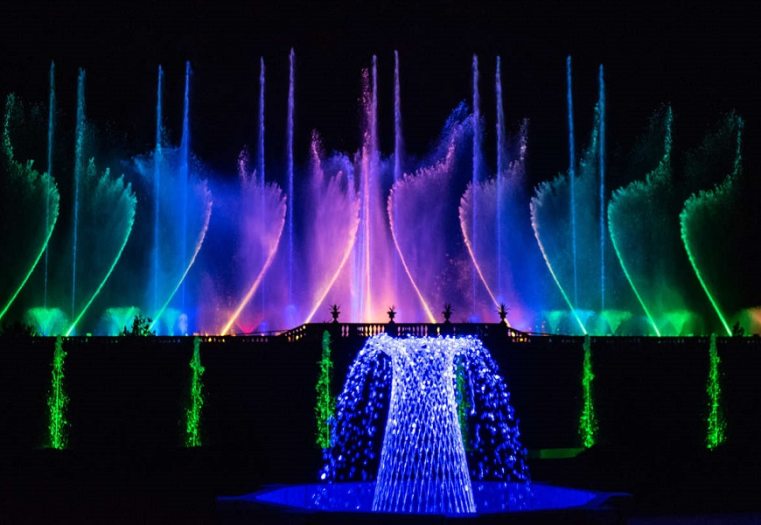
    Splendor awaits in this European-inspired, world-class destination: think classic garden design, extravagant theater, astounding choreography, a spectrum of color, musical accompaniment, and, on special occasions, fireworks!

  • Rose Garden
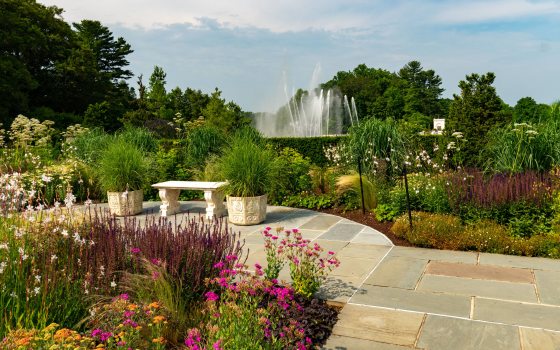
    A stone walkway leades to a small bench among garden beds of yellow, pink, and green plants with large water fountain streams seen in the background

    Rose Garden

    Striking colors, heady fragrances, and soft textures bud, bloom, and sway harmoniously from spring through fall, providing countless ways to celebrate the rose—and her many beautiful friends.

  • Topiary Garden
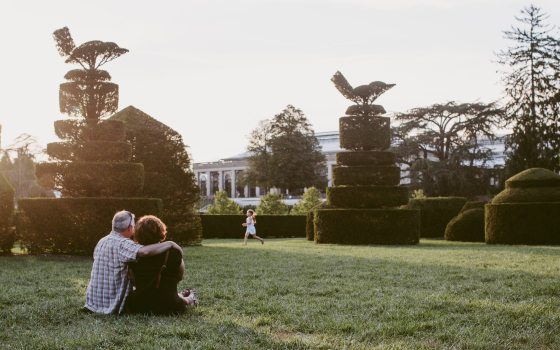
    A couple sits on the ground surrounded by shaped topiary with a child running in the distance during sunset

    Topiary Garden

    From playful bunnies to fanciful spirals, you’ll find more than 35 specimens of meticulously maintained, highly cultivated yews (as well as spirited games of hide and seek)  in our Topiary Garden.

What’s in Bloom

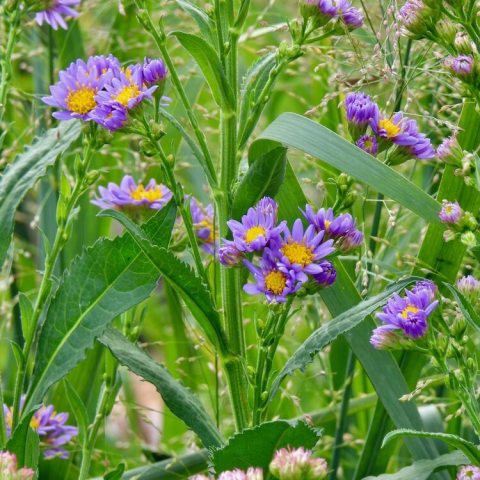
  • Mistflower

    Conoclinium coelestinum

    Mistflower is a vigorous grower, native to the eastern and central United States, which grows from rhizomes reaching a height of three feet.  It is found naturally growing in moist soils located in bogs, ravines, banks of streams and lakes, in low woods, floodplains, along roads, and in ditches. The best conditions for this plant are full sun with moist soils; however, it can tolerate some occasional drought. Blue-violet disc flowers are arranged in dense racemes. This plant attracts scores of butterflies and also makes good long-lasting cut flowers.

  • Gordlinia

    x Gordlinia grandiflora

    × Gordlinia grandiflora is a rare and striking hybrid flowering tree or large shrub, created by crossing two members of the tea family (Theaceae) - Franklinia alatamaha and Gordonia lasianthus. This intergeneric hybrid was developed in the southeastern United States to combine the best traits of its parent plants. It features large, fragrant, white camellia-like flowers with golden centers that bloom in late summer to early fall, often when few other trees are in flower. × Gordlinia grandiflora is valued for its fast growth, attractive glossy foliage, and extended blooming period. It thrives in well-drained, acidic soils and performs best in full sun to partial shade.

  • Cone shaped spear of white flower clusters.

    Panicle Hydrangea

    Hydrangea paniculata ′DVP Pinky′ (Pinky Winky™)

    Blooming from mid summer to early fall, panicle hydrangea gets its name from its large, showy panicles of flowers.  Leaving the dried flowerheads on the plant can add interesting forms and textures to the garden in winter.  Combined with its long bloom time, panicle hydrangea offers nearly year-round interest. Find a variety of cultivars of Hydrangea paniculata as well as other species of Hydrangea in bloom throughout the gardens!  

  • Yellow, round flower with black area in center and a bee

    Silverleaf Sunflower

    Helianthus argophyllus

    Silverleaf Sunflower, is a tall, striking perennial native to North America, named from the Greek words helios (sun) and anthos (flower) for its famous habit of turning its blooms to follow the sun throughout the day. Part of the diverse Helianthus genus, which includes over 70 species, it features silvery, woolly leaves and bright yellow flowers that bloom late into summer and early fall. Like other members of the aster family, these sunflowers attract numerous pollinators in the late-season garden. In our garden, they stand tall, adding vibrant color and ecological value throughout September alongside other late yellow bloomers like Rudbeckia, Coreopsis, Heliopsis, and Silphium.

  • Many petaled light pink flower

    Informal Decorative Dahlia

    Dahlia 'Cafe au Lait'
  • Large, daisy-like flowers featuring pure white petals and a prominent, dark orange-brown central cone.

    Purple Coneflower 

    Echinacea purpurea 'White Swan'

    Unlike the typical purple blooms of the species, 'White Swan' features striking white petals surrounding a prominent orange-brown central cone. Blooming from mid to late summer, it attracts a wide range of pollinators, including bees, butterflies, and other beneficial insects, making it a valuable addition to pollinator-friendly gardens. Its sturdy stems and long-lasting flowers also make it a popular choice for cut flower arrangements. Like its wild counterparts, 'White Swan' thrives in full sun and well-drained soils, and it’s drought-tolerant once established. Echinacea has a long history of traditional medicinal use, particularly among Native American tribes, though 'White Swan' is primarily cultivated for its ornamental appeal.

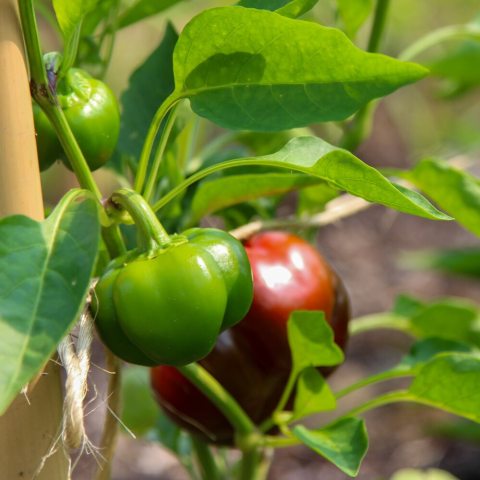
  • Sweet heirloom pepper variety produces small, round and squat sweet peppers; from green to red when fully mature.

    Sweet Pepper

    Capsicum annuum 'Sheepnose Pimento'
  • Airy, wand-like stems covered in dainty, four-petaled white flowers that flutter in the breeze like-swarming butterflies.

    White Gaura 

    Oenothera lindheimeri 'Whirling Butterflies'
  • Yellow blooming hybrid tea rose.

    Hybrid Tea Rose

    Rosa 'KORbatam' (Winter Sun™)