Combining hands-on, immersive learning with classroom experience and mentorship, Longwood’s Professional Horticulture Program trains and prepares future horticulturists for successful careers. Since 1970, the program has nurtured more than 350 graduates who have gone on to successful careers at public and private gardens and throughout the horticulture industry—with many more on the way. Evolving over decades shaped by educational trends and industry needs, the program has always reflected our mission to educate future horticulturists and help to populate the industry with a pipeline of new talent. In that spirit, we have reimagined the program for the future by modernizing its curriculum for a changing climate, strengthening hands-on learning for students, and drawing an even deeper connection between classroom learning and hands-on horticultural work in the Gardens. Here—and before we welcome our next cohort of Professional Horticulture students to our refreshed program in January 2027— two of our Professional Horticulture Program Class of 2026 students reflect on three standout projects and what they’ve learned along the way.
Joshua Ferris: Earth Day Restoration Project
Longwood Gardens is an extraordinary institution, one that gives its students opportunities not only to learn from leaders in the horticultural world but also to pursue the passions that drive them. For me, that passion has always been restoration work. I’ve seen firsthand how restoration can strengthen ecosystems, connect communities, and leave a lasting positive impact on both people and places. Because of this, I knew that for Earth Day 2025 I wanted to create a project that would give back to the community through ecological restoration. Everything came together when I connected with Anson B. Nixon Park Facilities Manager Mark Volpe, who is also an alumnus of Longwood’s Professional Horticulture Program.
Anson B. Nixon Park in Kennett Square spans more than 100 acres of woodland, water, and walking trails, including one of Pennsylvania’s oldest beech trees. Volpe and his team have already made a tremendous impact by removing invasive species, planting natives, and restoring meadows. When I reached out about the Professional Horticulture class of 2026 helping, the park immediately welcomed the idea of expanding these efforts, not only for ecological health but for the people who enjoy this special place.
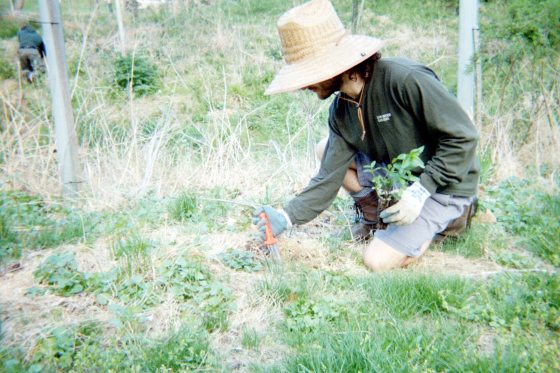
Professional Horticulture Student Joshua Ferris plants at Anson B. Nixon Park in spring 2025 as part of the Professional Horticulture class Earth Day restoration project. Photo provided by Joshua Ferris.
For our efforts, we chose a riparian hillside that had been under restoration for about a year at the time. Using site factors such as light, moisture, slope, soil, and existing plant communities, we selected species to plant on the hillside. Those species were generously donated by North Creek Nurseries, Anson B. Nixon Park, and Longwood Gardens. “We were pleased to support the efforts of a great local community project being led by our Chester County friends at Longwood,” shares North Creek Nurseries Customer Sales & Sales Support Manager Josiah Gregory, who helped us select appropriate plants for the space. “North Creek’s goal is to get beautiful native plants out into the world, especially in our neighborhood like at Anson B. Nixon Park.” To North Creek Nurseries President and Chief Executive Officer Steve Castorini, “Collaborations like this with Longwood Gardens help us bridge education, community, and sustainability. By supporting the next generation of horticultural professionals, we’re able to share the beauty and importance of native plants with the public and inspire communities to plant with purpose.”
Thanks to their generosity, we planted more than 400 ferns, shrubs, perennials, and bulbs, including Northern maidenhair fern (Adiantum pedatum), Christmas fern (Polystichum acrostichoides), winterberry (Ilex verticillata), dogwoods (Cornus), New England aster (Symphyotrichum novae-angliae ‘Purple Dome’), Eastern star sedge (Carex radiata), mountain-mint (Pycnanthemum muticum), and Camassia. None of this would have been possible without the dedication of my Professional Horticulture classmates, each putting their own strengths to work.
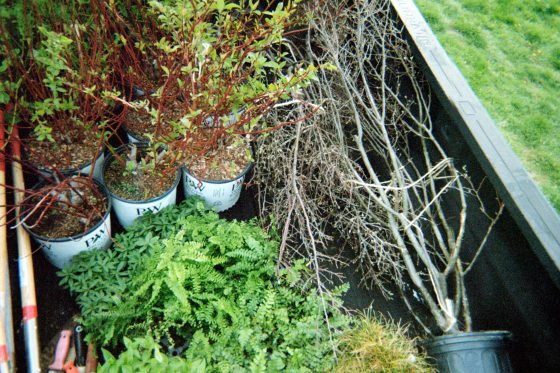
Plantings await placement at Anson B. Nixon Park this past spring. Photo by Joshua Ferris.
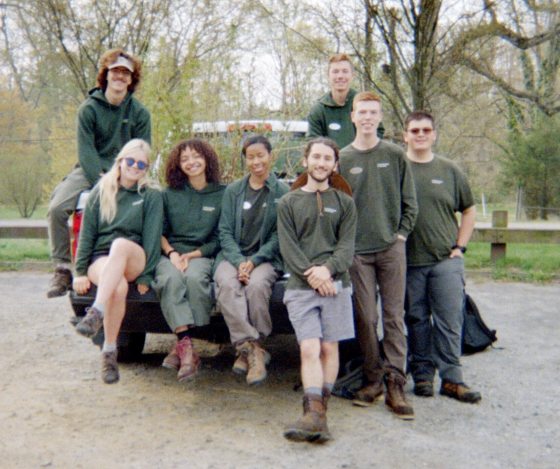
From left to right, Professional Horticulture Students Logon Kline, Rachael Adams, Melanie De La Cruz, Lauryn McMiller, Joshua Ferris, Micah High, Travis Cox, and Matthew Fleischhacker take a moment at Anson B. Nixon Park. Photo provided by Joshua Ferris.
When we revisited the site in late summer and early fall of 2025, we found what many restorationists know well: not everything survives. But what did survive was thriving. The ferns have settled beautifully and five of the dogwoods have taken off, contributing to the long-term vision of the space. “The goal of this site is to create a space for the community a place for poetry readings, family picnics, and peaceful moments for anyone to enjoy,” shares Volpe.
Helping restore this landscape and knowing that our work will benefit the community for years to come was deeply rewarding. It also reinforced something Longwood’s Domestic & International Studies Manager Lauren Hill often says: “Many hands make for light work.” And many hands, working together, can make a meaningful impact.
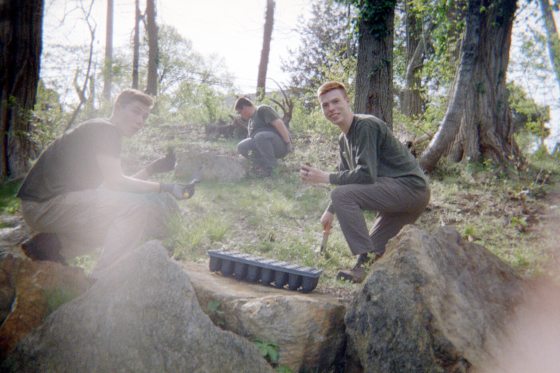
From left to right: Professional Horticulture Students Micah High, Matthew Fleischhacker, and Travis Cox at Anson B. Nixon Park. Photo by Joshua Ferris.
Lauryn McMiller: Lessons from the Garden Practicum
In March 2025, we began preparing our plans for garden practicum. This immersive component of the Professional Horticulture Program enables us to collect, plant, and care for ornamental plants while creating and maintaining a landscape design in an assigned plot in back-of-house space at Longwood, giving us an opportunity to grow and maintain a variety of plants.
Each student received a 14- by 15-foot space and a stipend to purchase plants. We harvested bamboo and other natural materials to build garden structures, and several students repurposed items found around Longwood, giving new life to existing materials. A deer fence was also installed to protect our work from grazing wildlife. I love the creative freedom we were given. While we were all given the same size plot and a stipend with which to buy plants, we all created such different landscapes and experiences within our gardens.
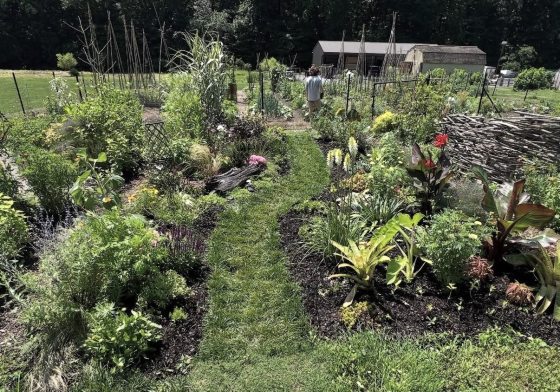
Professional Horticulture Student Micah High’s garden plot. Photo by Micah Hill.
Throughout the project, we worked closely with Longwood Outdoor Landscape Manager Roger Davis and Horticulturist Faith Redcay. They met with us weekly to review our progress and offer guidance, sharing their expertise while giving us the freedom to explore creative ideas.
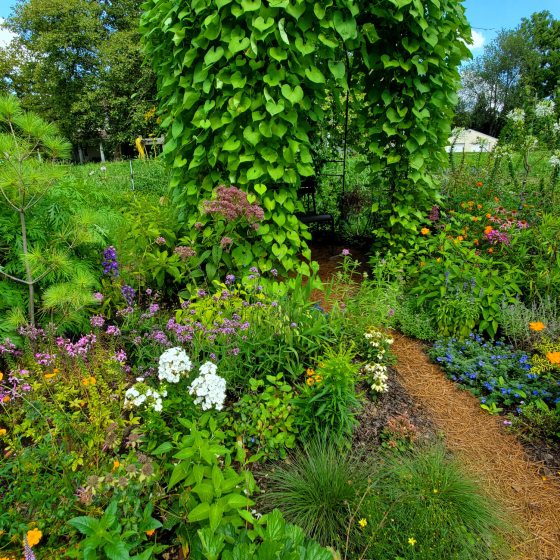
Professional Horticulture Student Ellie Schler’s garden plot. Photo by Sue Hare.
As the gardens developed, so did our horticultural skills. We learned to establish themes, design plantings, and troubleshoot issues as they arose. Early spring required close monitoring of young plants, careful spacing, and thoughtful establishment. Summer brought rapid growth and increased demands: consistent watering, vigilant weeding, mulch applications, and ongoing pest management. We also had the chance to work with unusual or less commonly used plant species that we might not have encountered without this practicum.
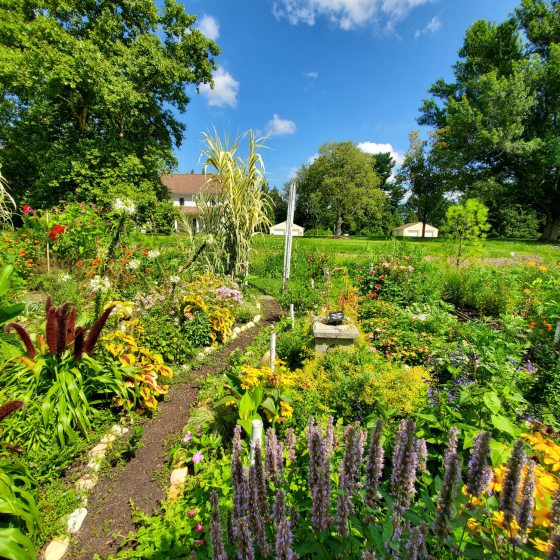
Professional Horticulture Student Lauryn McMiller’s garden plot. Photo by Lauryn McMiller.
Beyond building individual gardens, the project strengthened collaboration within our class. We shared plant material, swapped ideas, offered advice, and worked together on shared responsibilities like mowing and weed whacking around the beds. At the height of the season, Longwood hosted a viewing event where faculty and staff walked through the gardens while enjoying lemonade and ice cream. This gave us the invaluable opportunity to present our designs, engage with colleagues, and receive thoughtful feedback from professionals we admire. Having staff witness our gardens was the icing on the cake for this project. It’s one thing to prove to yourself that you can design and maintain something like this, but it’s another to have experts in the field acknowledge your work.
This practicum reinforced a lesson we carried with us all season: small details, watering, pinching, weeding, and noticing what a plant needs on any given day, can create a lasting impact on the success and beauty of a garden.
Joshua Ferris: Chrysanthemum Bonsai
Restoration work and garden practicum beds weren't the only projects we tackled in 2025. Longwood also encourages students to contribute to its world-renowned displays, and in the fall the Professional Horticulture Class of 2026 presented something truly special: our own chrysanthemum bonsai. This project expanded our understanding of what it means to shape living material with care, patience, and intention.
Beginning April 2025, we trained young chrysanthemum plugs, chosen for their fast growth, flexibility, and ability to develop woody stems, into refined bonsai forms. Over six months we shaped cascades, domes, and intricate sculptural forms using careful wiring, pinching, and staking. The result was a collection of personal, expressive bonsai that went on display for Longwood’s Chrysanthemum Festival. Our instructors, Longwood Bonsai Grower Matthew Turner and Bonsai Curator Kevin Bielicki, guided us every step of the way. “This year’s chrysanthemum bonsai class had a plethora of enthusiasm and creativity,” shares Turner. “Everyone wanted to start with extra plants to get as much experience as possible. That led to a huge variety of forms and cultivars available to display, which worked out perfectly for us to be able to amaze guests with the chrysanthemum bonsai.”
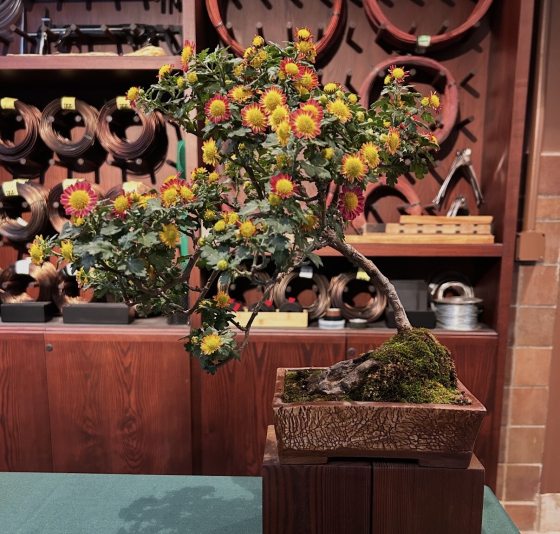
Professional Horticulture Student Melanie De La Cruz’s chrysanthemum bonsai. ”It was cool to see how everyone's vision came to life from the beginning of the class until our final products, shares De La Cruz. Photo by Melanie De La Cruz.
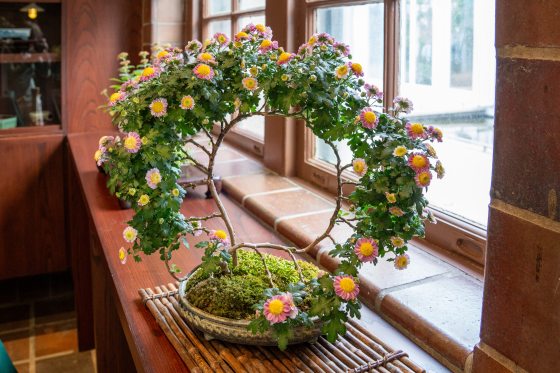
One of my pieces “Sun and Moon”, showcased the detailed wiring process and the delicate balance between technique and creativity. Photo by Amy Simon Berg.
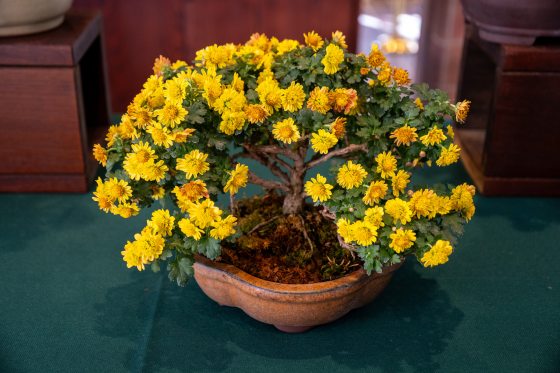
For many of us, including my classmate Travis Cox, whose bonsai is shown here, this was “the first time I was able to create a bonsai; it was an extremely rewarding experience.” Photo by Amy Simon Berg.
Across restoration sites, garden plots, and bonsai benches, the Professional Horticulture Class of 2026 learned that meaningful change begins with small, deliberate acts of care. Planting a single fern in a recovering riparian zone, wiring a young chrysanthemum into graceful form, or watering a garden bed day after day may seem like simple tasks, but together they shape resilient landscapes, elevate public displays, and create spaces for communities to connect with nature. Each project, whether restoring habitat, crafting living art, or designing a personal garden, showed us that attention to detail and a willingness to invest in the process can leave a lasting impression. These experiences remind us that when we approach our work with patience, curiosity, and intention, small things truly can make a big impact.
Editor’s note: Applications for the refreshed Professional Horticulture Program open April 1 through June 1; the program will begin in January 2027.