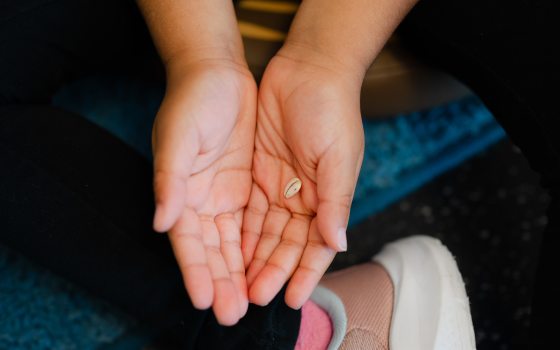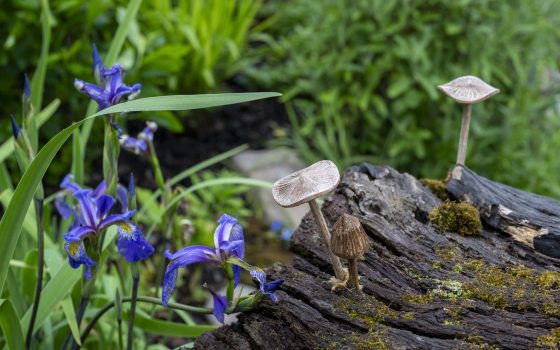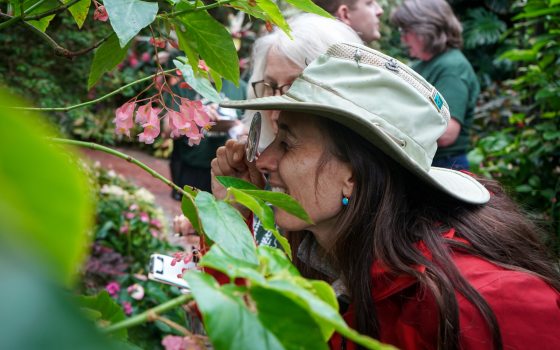
At Longwood, we nurture nature and knowledge, and our work—and impact—extend far beyond our gates. Recognizing the critical role educators play in shaping young minds, we have expanded our impact through new professional development opportunities for teachers. In response to Pennsylvania’s recently adopted STEELS standards—focused on science, technology, engineering, environmental literacy, and sustainability— our School and Youth team has developed interdisciplinary, hands-on workshops, set within the Gardens themselves, that help teachers bring these concepts to life. Thanks to the generosity of the Wilson Family Foundation, these workshops are offered at little cost to educators and include classroom supplies, professional development hours, and full access to the Gardens. With a number of summer workshops now open for registration, here we explore these opportunities—which allow educators to leave equipped with lesson plans and renewed inspiration.
Our interdisciplinary Teacher Professional Development programs at Longwood are designed to inspire and empower PreK-12 educators with hands-on, curriculum-based workshops that integrate the beauty and science of nature with practical strategies that educators can share with their students. They offer a well-rounded exploration of the wonders of the natural world and cover a wide range of topics to resonate with as many teachers and students as possible. Teachers gain valuable resources during these workshops, including classroom supplies, ACT 48 hours, and full access to the Gardens, as well as lesson plan ideas that foster curiosity and creativity in their students. In 2025, 150 educators registered for our Teacher Professional Development programs, and the skills and knowledge they developed with Longwood subsequently reached the classrooms of 2,600 students—and we can’t wait to keep the momentum going in 2026.
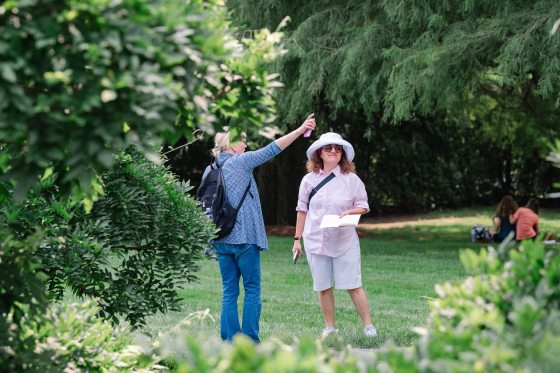
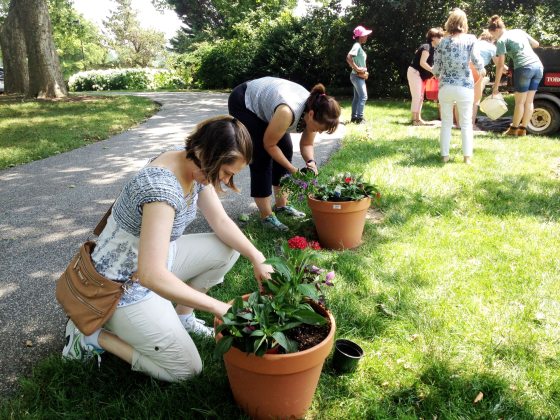
The Teacher Professional Development program is in direct alignment with our mission to bring joy and inspiration to everyone through the beauty of nature, conservation, and learning. Photo by Laurie Carrozzino.
On May 19, we’re welcoming educators to dig into the science and learning potential of preparing and using container gardens with our Container Gardens as Classroom Science Labs workshop. During this professional development opportunity, educators will tour behind-the-scenes and engage in hands-on activities, as well as take home materials to create their own classroom container garden.
On May 27, we’re teaming up with educators to investigate declining pollinator populations and how students can help with our What’s The Buzz? Environmental Action Through Pollinator Science workshop. Educators will gain a behind-the-scenes perspective and participate in hands-on activities that can be taken back to the classroom to engage students in three-dimensional learning—while empowering them to take action to tackle environmental issues.
On June 22, Classroom Veggie Gardens 101 explores the learning possibilities of growing and caring for vegetable gardens in and outside of the classroom. Educators will gain practical ideas for how to get started with simple outdoor gardens, window gardens, and DIY hydroponics, with all materials and lunch provided.
July will also be a busy month of opportunities! On July 13, educators will discover the art of visual storytelling with the immersive Teaching with Imagery: National Geographic Strategies for the Classroom workshop. We’ll delve into how to integrate photographic and artistic techniques into teaching practice, as well as the principles of narrative, documentation, and observation used by National Geographic Explorers. Educators will leave with National Geographic Society resources ready for classroom use.
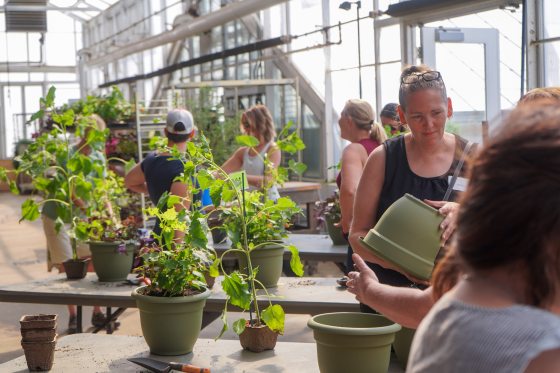
All materials are included in each workshop, allowing teachers to gain a dynamic and full learning experience. Photo by Lori Trexler.
From July 27 through 31, we are also giving educators the opportunity to study with us for an entire week (and earn 25 Act 48 hours!) with our Gardens as Learning Labs: Using Nature to Teach Science and Environmental Literacy through STEELS workshop. This five-day course focuses on the scientific phenomena observable in our Gardens, encouraging educators to use our Gardens as a living classroom to explore the way in which living organisms—including humans—impact and are impacted by their environment.
Many of our Teacher Professional Development courses welcome educators to take a behind-the-scenes look into our work, giving them a chance to talk with our experts and participate in engaging activities. Photo by Zachary Longacre.
Many of the educators who have passed through our garden gates to explore new topics, practice their skills, and gather lesson plan ideas for their students have shared their excitement about our professional development opportunities. “The access to behind-the-scenes spaces and experts was truly inspiring. Not only do I have new inspiration, frameworks, and tools to bring into the classroom this year, but I enjoyed my time here so much!” says an educator who attended a previous Gardens as Learning Labs: Using Nature to Teach Science and Environmental Literacy through STEELS course.

"I’m grateful for the supplies that I am using with my students to enjoy nature journaling,” shares an educator who attended our past Nature Journaling workshop. Photo by Laurie Carrozzino.
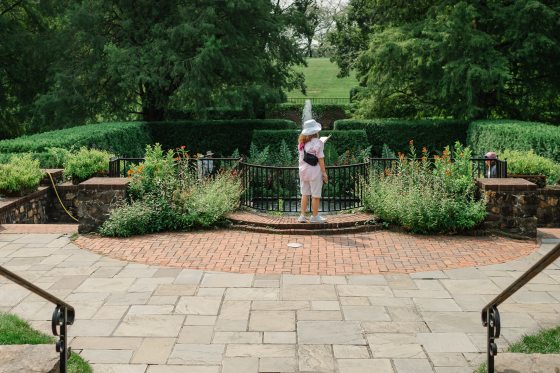
"I left the workshop yesterday so energized and with so many great ideas of ways to get my students involved in activities that will help them to better understand water around them,” says an educator who attended a previous Wonders of Water workshop. Photo by Laurie Carrozzino.
We understand the value and amplified impact of teaching educators, and we are proud to help support their work in inspiring young minds and shaping future communities who recognize the beauty and importance of the natural world.
Editor’s note: Registration is now open for our summer Teacher Professional Development opportunities. Learn more and register.