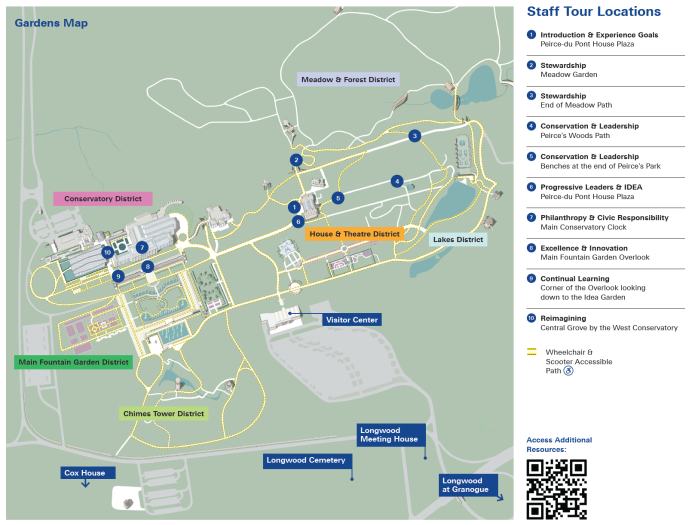
Our Gardens have a rich and varied history. From the first inhabitants, the Lenni-Lenape, who cared for and stewarded the land for thousands of years, to the early settlers after colonization, the Peirce family, who began to develop the land and create an arboretum, to Pierre and Alice du Pont, who created the Gardens we see today, there have been guiding principles that have stood true through the years. Through this experience, we explore those principles, excellence, innovation, inclusion, curiosity, collaboration, sustainability, conservation, education, and community, and how they have manifested themselves through our history.
This page provides resources to help you plan for the leadership experience, as well as additional content to explore these guiding principles further. We hope you enjoy the leadership experience and learn more about how our history has shaped the values we continue to live today.
A Brief History
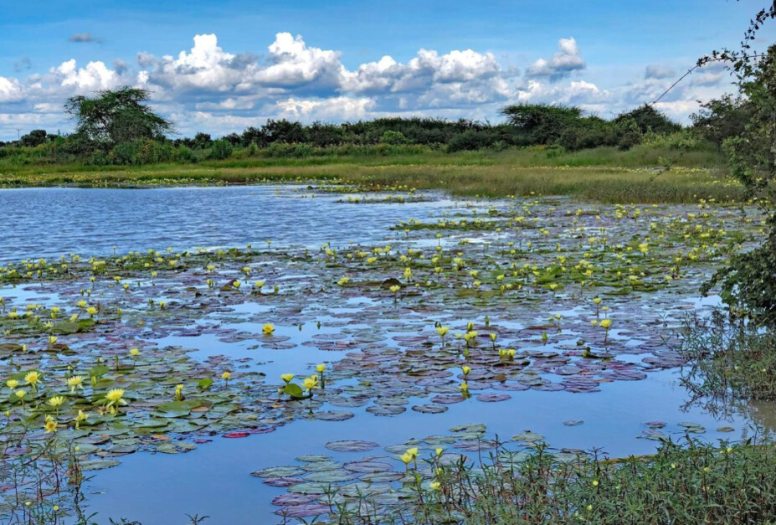
Pre-1700 – The Lenape people inhabit and steward the land throughout the Delaware River Valley, including what is now known as Longwood Gardens.
1700 – George Peirce purchases 402 acres from William Penn in the early days of European colonization. Though they would parcel and sell the land, the Peirce family would inhabit and farm portions of it for the next two centuries.
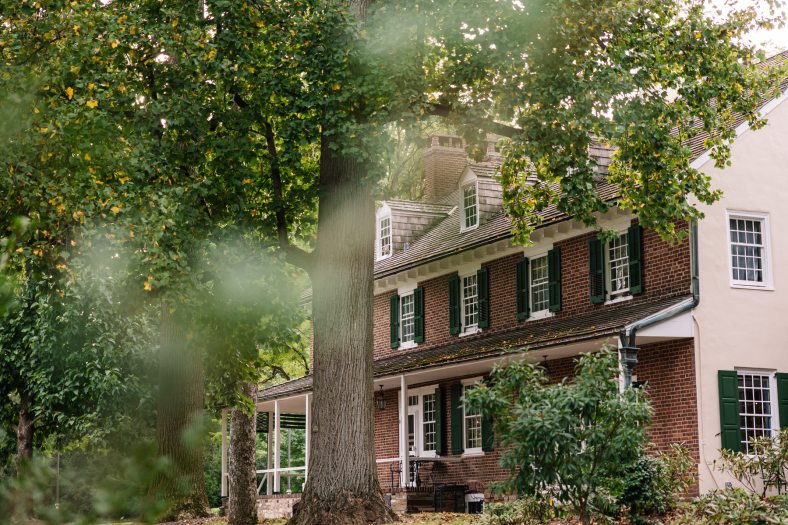
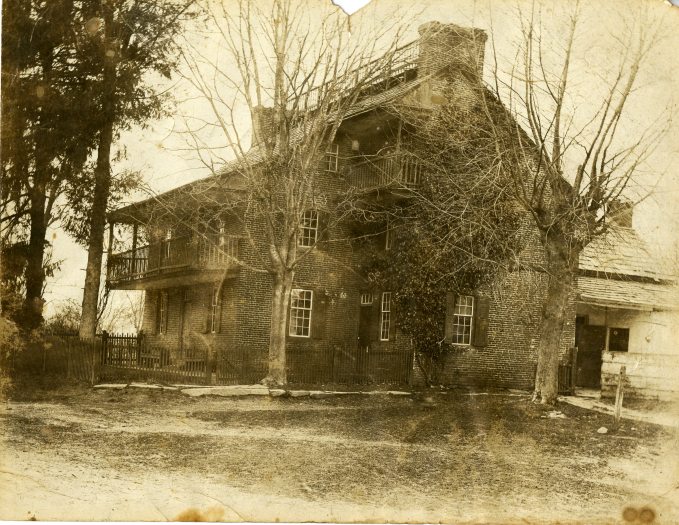
1730 - The central brick structure that remains at the heart of Longwood Gardens, the Peirce-du Pont House, is built by the Peirce family. The family would live in the house until the closing decades of the 19th century.
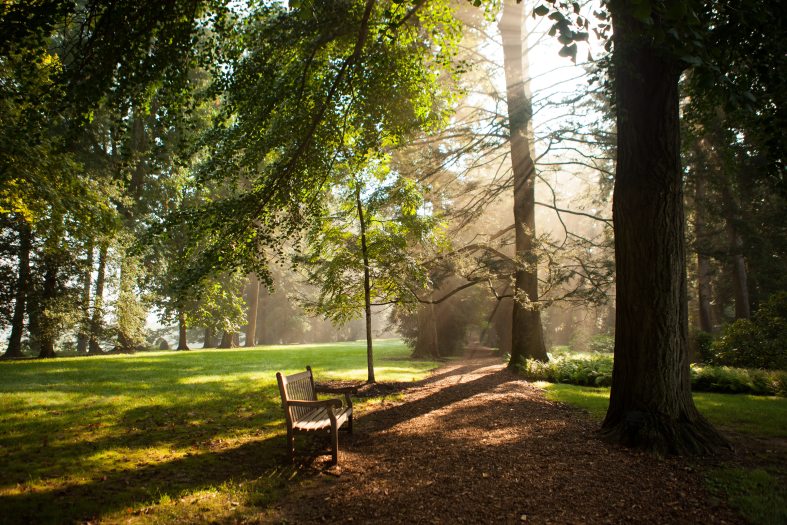
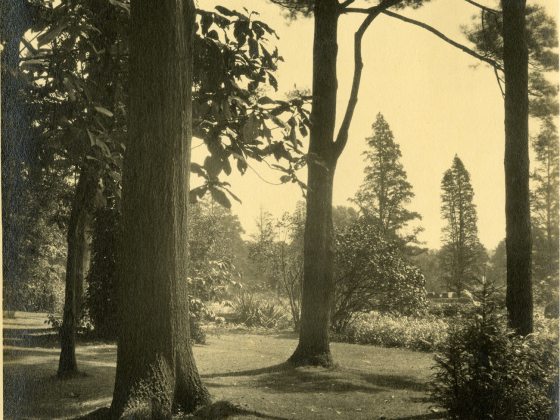
1798 – Third generation Peirces, twins Joshua (1766-1838) and Samuel Peirce (1766-1851) begin planting their arboretum that would become the core of Peirce’s Park.
ca. 1790 – Hannah Peirce Cox’s father Jacob Peirce (1761-1801), brother to Joshua and Samuel, builds the house now known as the Cox House. The house and surrounding land would become known as Longwood Farm during the time of Hannah Peirce Cox (1797-1876) and her husband John Cox (1786-1880). They would live there for decades, welcoming family members, sheltering Freedom Seekers, and hosting social activists from across the country.
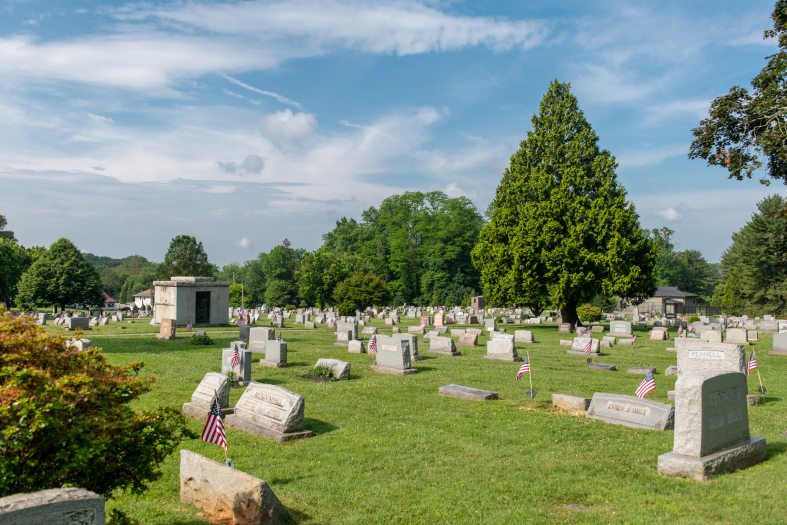
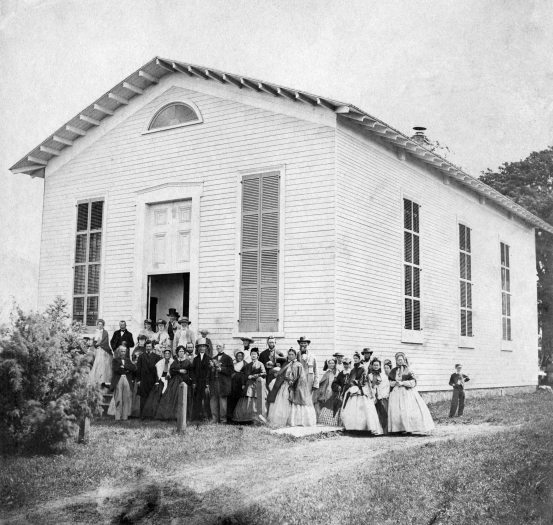
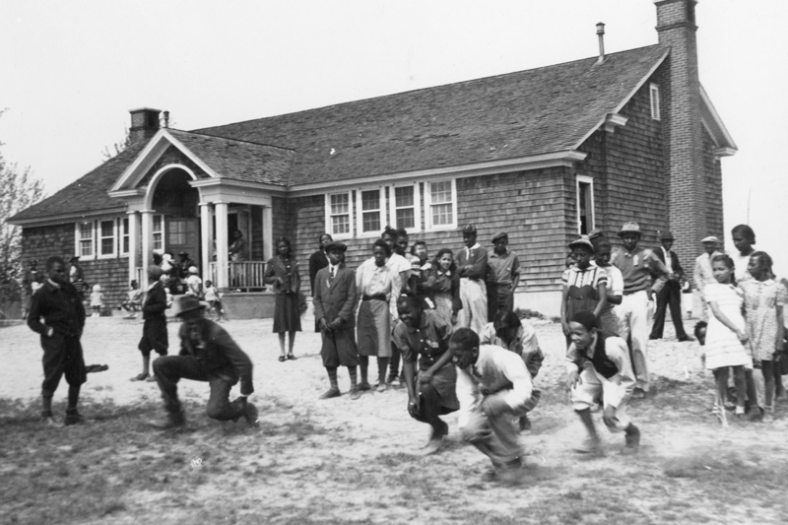
1853-1940 – After being read out of the nearby Kennett Monthly Meeting, a group of social-justice minded Quakers founds their own meeting, building a meetinghouse on land donated by Hannah and John Cox. The building would not only host the Quaker gatherings but also writers, thinkers, and activists like William Lloyd Garrison and Sojourner Truth.
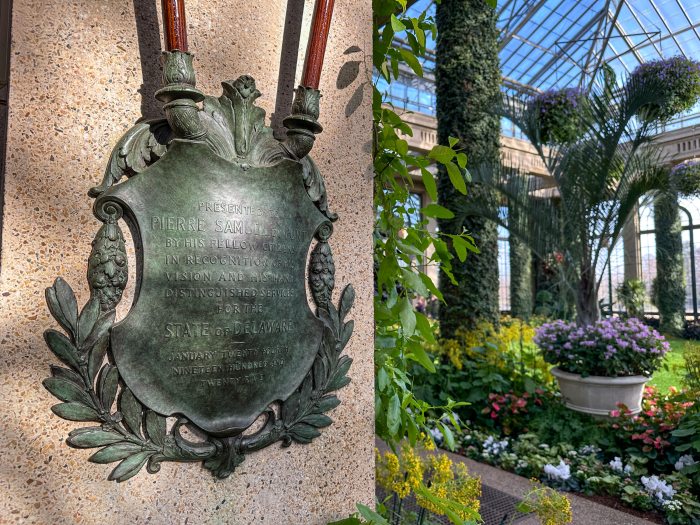
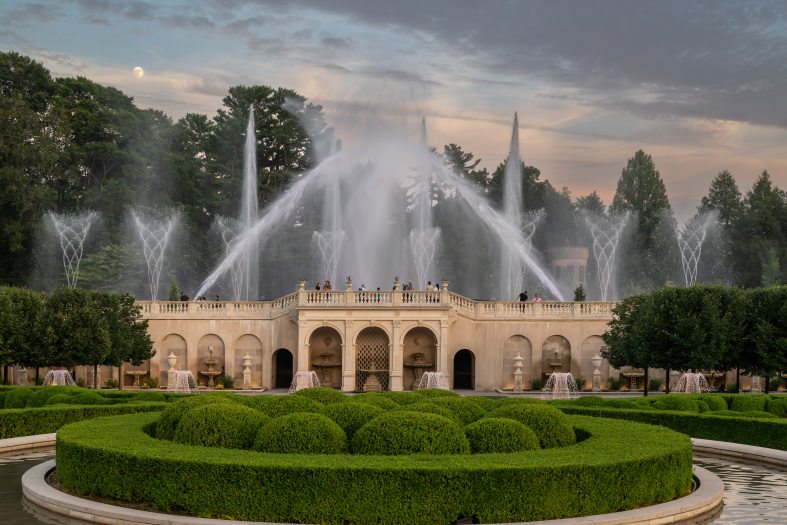
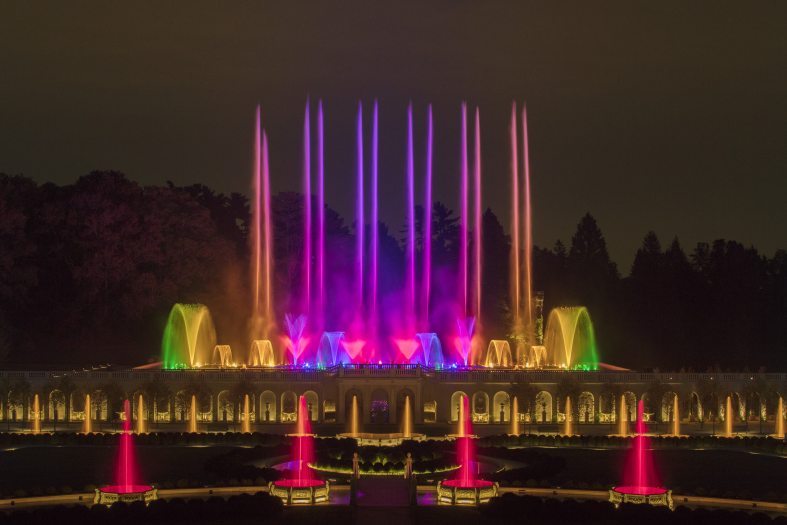
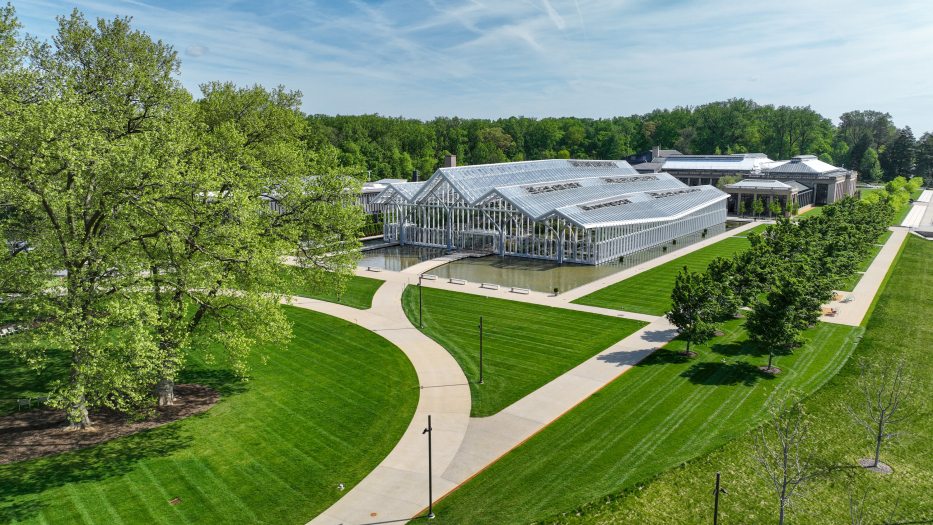
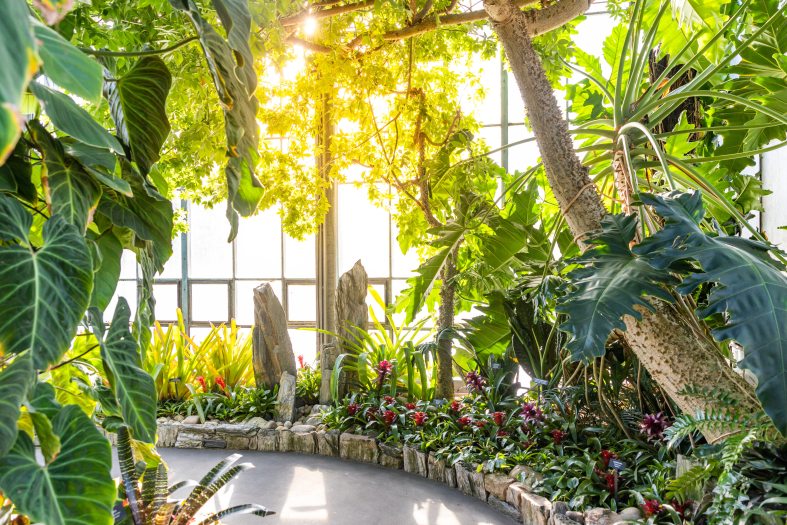
1906-1954 – Pierre S. du Pont (1870-1954) purchases the farm containing the Peirces’ original arboretum in order to save the tree collection from timber harvesting. Pierre and his wife Alice Belin du Pont (1872-1944) would together build Longwood Gardens. Fueled by their vision, the property would welcome the community to such features as the Main Conservatory (1921) and the Main Fountain Garden (1931).
1954 – Following the death of Pierre du Pont in 1954, his family members carry out his and Alice’s vision of a public garden. They hire Dr. Russell J. Seibert (1914-2004) as the first director (1955-1979), and under his leadership, Longwood Gardens becomes a leader in plant exploration, public horticulture, and horticultural education.