Categories: Research and Conservation, Sustainability
Tags: plant conservation, plant exploration, research
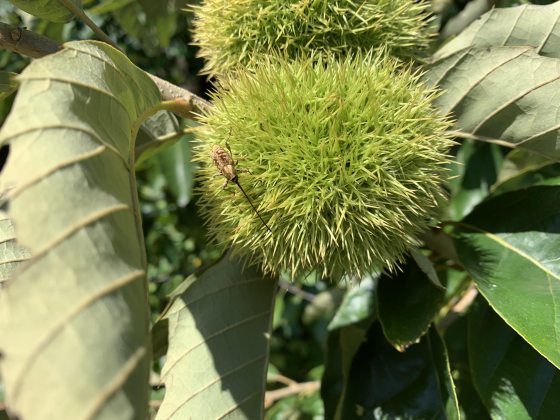
The Chestnut Weevil and the Power of Staying Curious
An observation posted from Longwood appeared to show a species long presumed extinct. What followed is a story about curiosity — but also about science, patience, persistence, and decades of thoughtful stewardship.
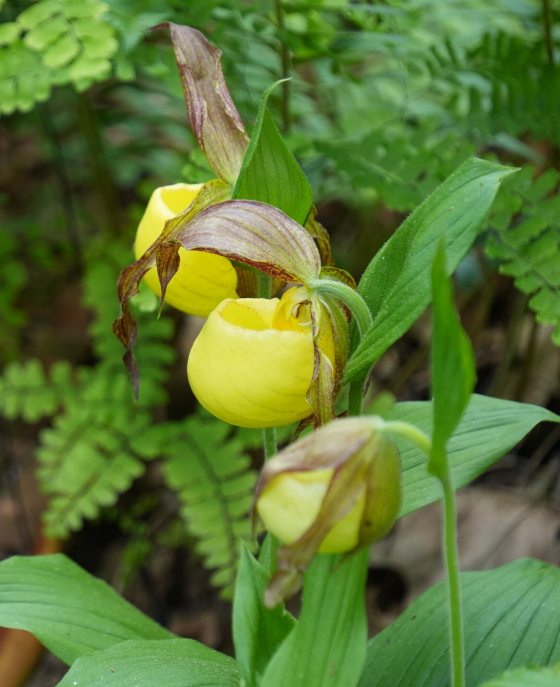
Reversing the Red at Longwood
Here, ahead of Reverse the Red Day—a global movement and International Union for the Conservation of Nature initiative that encourages biodiversity conservation on a global scale—we share the latest in conservation horticulture at Longwood and what’s ahead.
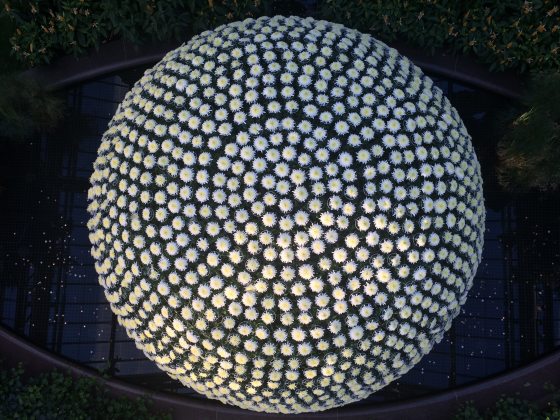
Longwood Science: Past, Present, and a Purposeful Future
On January 24, we officially launch our new Science Strategy, a framework guiding our science going forward.
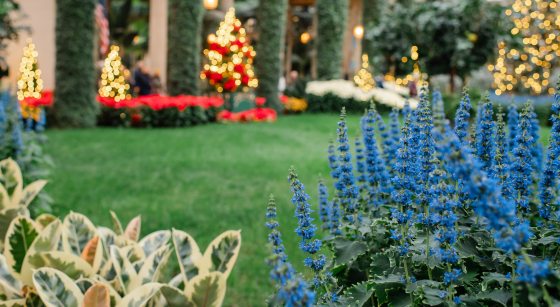
Nurturing a Rare Gem
This rare horticultural gem first came to Longwood nearly 70 years ago, and we use that original plant to propagate a crop each year for A Longwood Christmas.
The Illegal Plant Trade: What Plant Lovers Need to Know
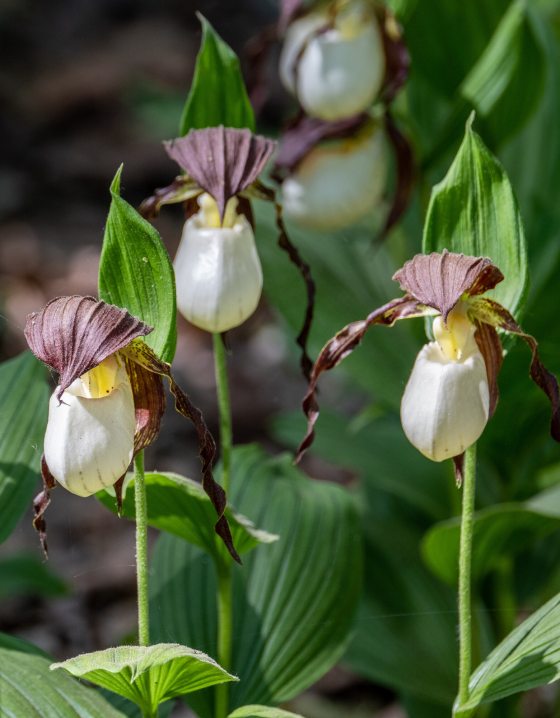
Longwood Gardens has joined the newly launched Illegal Plant Trade Coalition, a global alliance led by Botanic Gardens Conservation International, which unites gardens, scientists, conservation organizations, and enforcement agencies to reduce demand, support legal trade, and protect threatened plants.
From Frame to Field: Documenting and Protecting Native Orchids
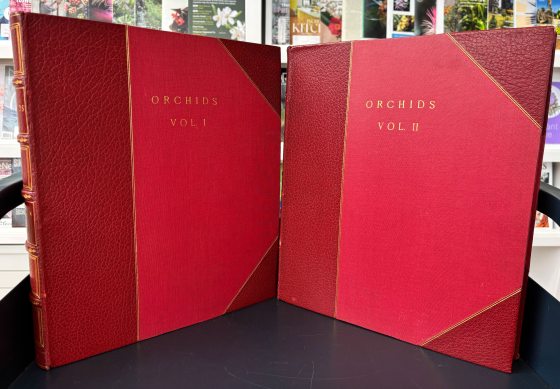
The Longwood Gardens Library was very fortunate to receive a recent gift reflective of our commitment to the conservation of native orchids: a rare 1931 two-volume set of Orchids of the North Eastern United States photographed from nature and published by American fine arts photographer Edwin Hale Lincoln.
Creating a Bog Garden: Where the Wild Things Bloom
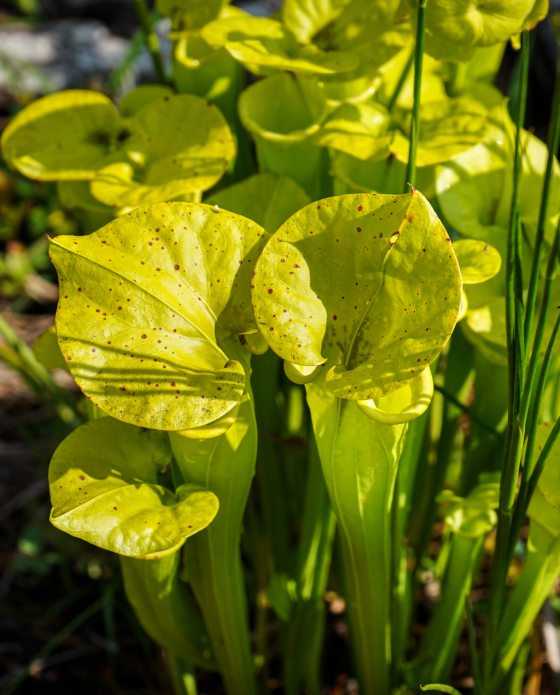
Located adjacent to our Student Exhibition Garden, our new-this-season bog garden mimics naturally occurring bogs in the eastern United States, where carnivorous plants, orchids, blueberries, and plants that like having “wet feet” can grow naturally.
Ensuring the Longevity of Roses
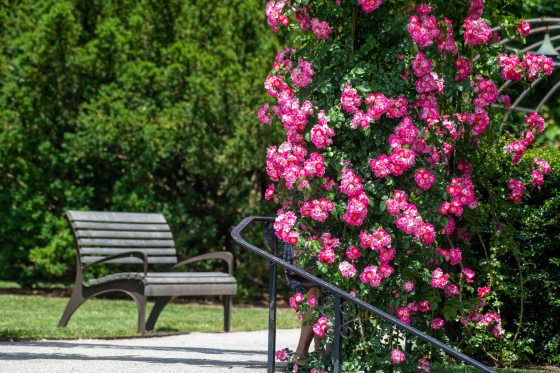
From work we do here in our Gardens to manage such threats, to our support of related research led a multidisciplinary team from nine universities and the US Department of Agriculture to deepen understanding of such diseases—we are working to ensure the longevity of this iconic plant in our Gardens and beyond.
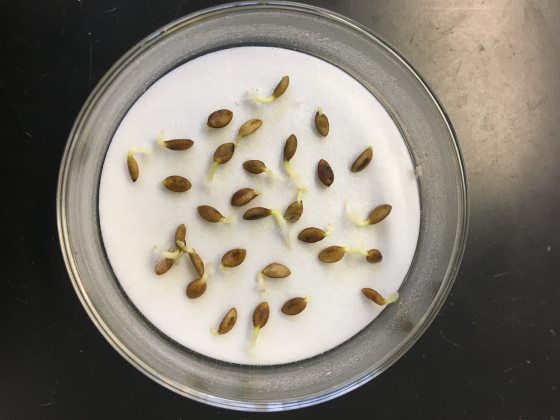
Seed Banking on the Future
With our recent award of a competitive grant from the Pennsylvania Department of Conservation and Natural Resources as part of the Wild Resource Conservation Program, we are thrilled to be able to grow our efforts in preserving more species of conservation concern through the expansion of our seed bank.
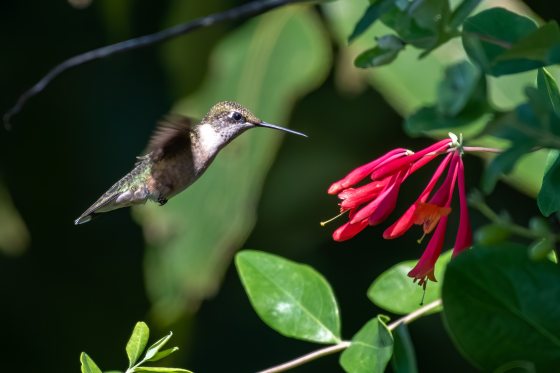
Diverse Habitats, Diverse Wildlife
At Longwood Gardens, we manage our natural areas to both promote native species diversity across the landscape and to help our guests create memorable and inspiring experiences discovering the dynamic beauty of our native habitats.
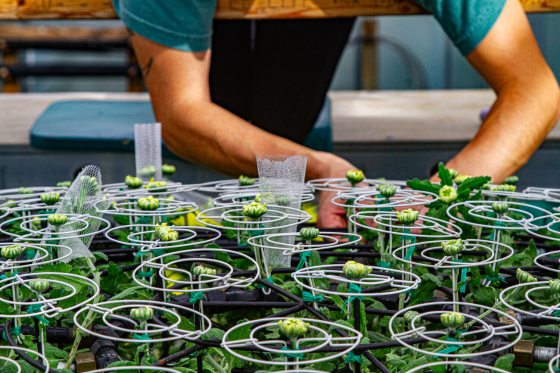
A Triumphant Return
This year’s Thousand Bloom of Chrysanthemum × morifolium ‘Susono-no-Hikari’ started its journey as a vegetative cutting 18 months ago—and today is not only a sight to behold, but a culminating example of the unchanging beauty and art of people and plants working together.
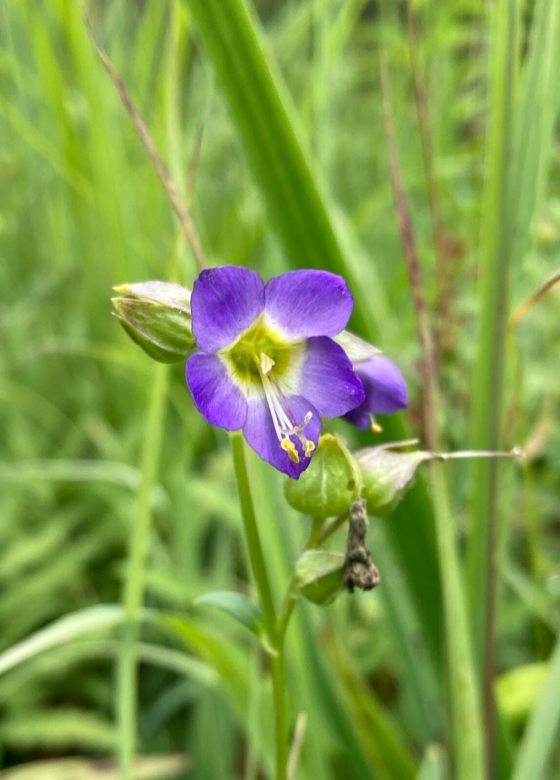
Reaching for New Heights in Rare Species Conservation
Among our many conservation efforts is our recent work in propagating and restoring hundreds of one of the rarest plants in Pennsylvania, the Appalachian Jacob’s ladder (Polemonium vanbruntiae).
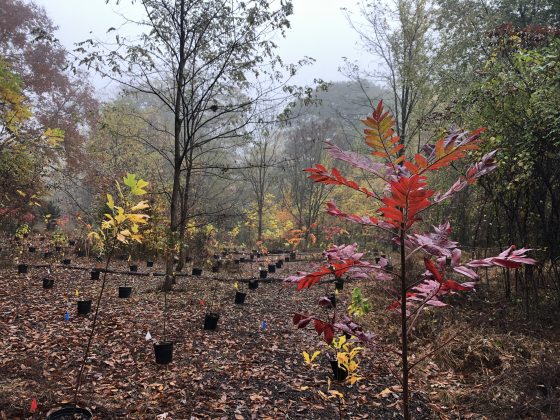
Stewardship Science: Testing Techniques to Benefit Biodiversity
The practice of land stewardship constantly raises new questions—how best to approach a new problem; what methods work best—that can be answered using the tools of ecological science.
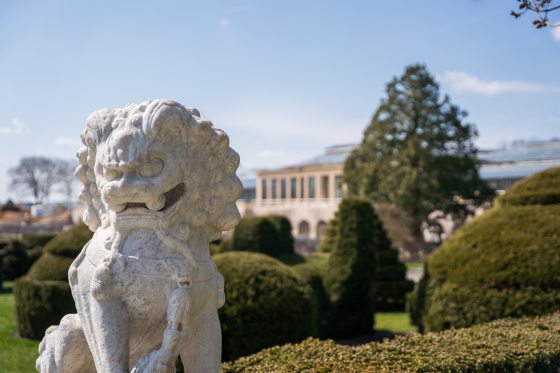
Restoring Longwood’s Guardian Lions
The removal, restoration, and reinstallation of these finely detailed—and heavy—sculptures required a delicate, almost surgical approach and in the process, we delved into their history and purpose at Longwood.
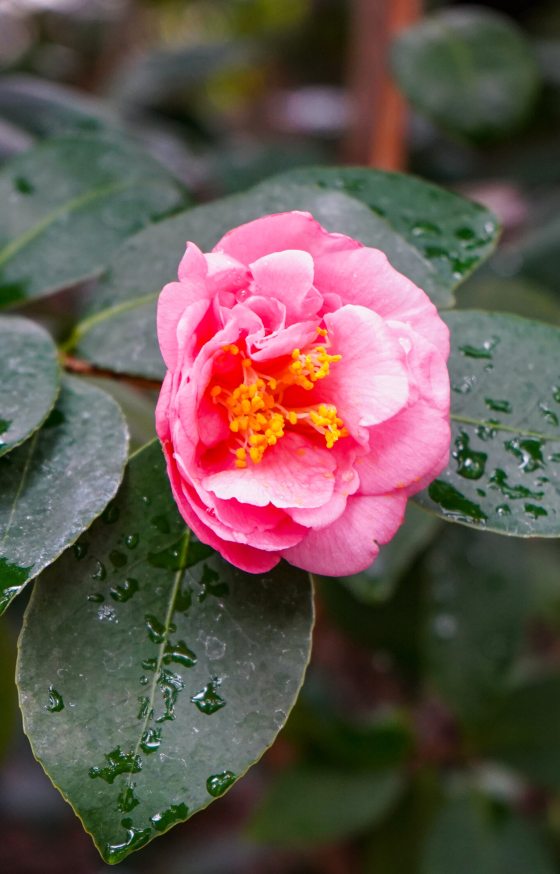
A Taste of Camellias
Most of our indoor camellias have wrapped up their flowering for the year, but those that are still in bloom give a hint of the camellias planted in the outdoor gardens, and also hint at our behind-the-scenes breeding work with this group of plants.
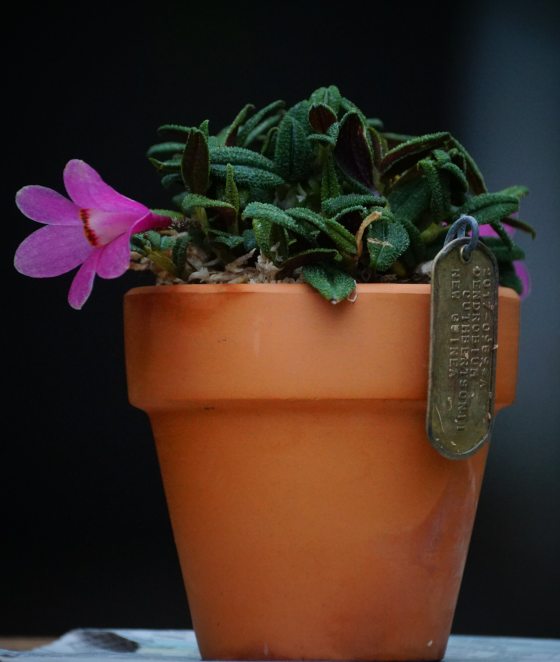
Every Orchid is an Individual
Since 1955 all orchids in our collection have been accessioned and their life status tracked in a system whose “record will be of information and great value for our program of public education,” as was reported to our Board of Trustees in October 1955.
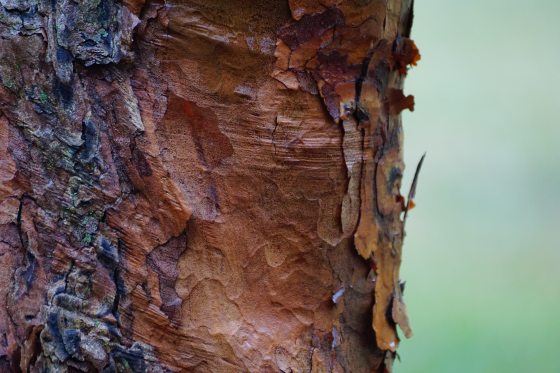
Paperbark Maple: A New Look at an Old Friend
Paperbark maple’s attributes alone make it worth promoting, but its conservation status has lent additional importance to working with it.
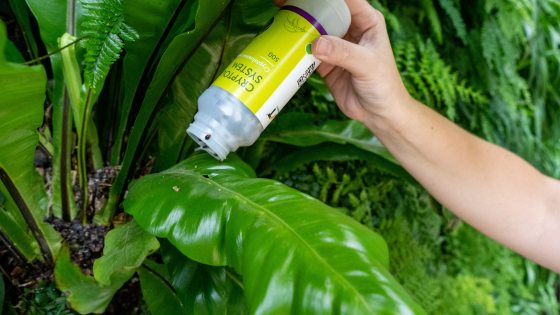
The Beauty of Beneficial Bugs
For many, seeing insects in a garden may lead to initial alarm and raise questions about what harm those insects could inflict on the plants. Not all insects, however, are bad and here at Longwood, we regularly release beneficial insects in certain parts of our Gardens.
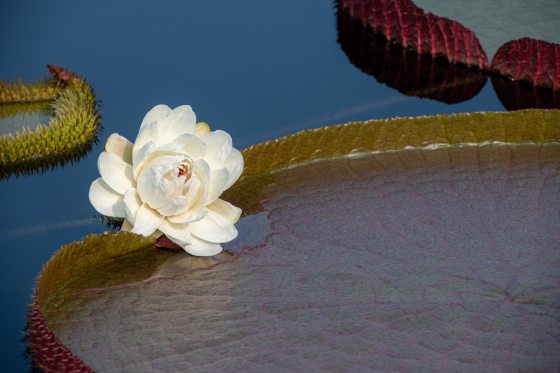
Growing From Afar
Even though the Waterlily Court can’t be visited until its 2024 reopening, the aquatic plants for which this space is known—including our famed Victoria water-platters—are still growing and thriving while awaiting their newly refreshed home.
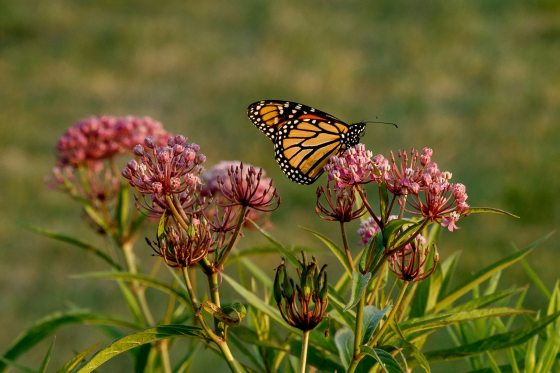
A Winged Window into Our Local Ecosystem
Through our new lepidopteran monitoring initiative, Longwood’s Land Stewardship and Ecology team is working with dedicated volunteers to understand which butterflies, moths, and skippers are frequenting our Meadow Garden, and what that says about not only the Meadow Garden, but the ecosystem of our greater landscape.