Frequently Asked Questions
Expand all
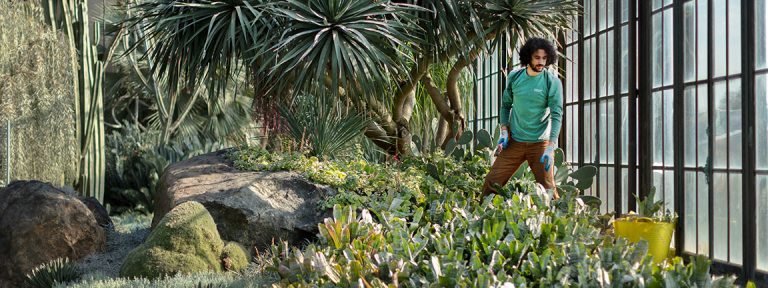
The Professional Horticulture Program is a two-year program that combines hands-on, immersive learning with classroom experience to train and prepare future horticulturists for successful careers. While it is life-changing, exciting, and inspiring, it is a rigorous program both academically and physically which requires a strong commitment from students.
The program is built into a core curriculum, followed by a specialization curriculum. The core curriculum is the first 16 months of the program where students are rotating between coursework blocks and hands-on horticulture blocks. These blocks are 2-3 months in length each. The specialization curriculum is the final 8 months of the program and students will choose an area to focus on and have a more individualized curriculum.
Throughout the program, students will have weekly plant identification courses and plant walks to build their identification skills and knowledge. Additionally, students are working in their practicum beds, growing plants for sale, and producing several plant sales that are open to the public.
The program is tuition free and comes with a taxable annual stipend of $31,000 for the duration of the program. Free, furnished housing, and health insurance are additional benefits.
We recruit and select for the two-year program during the mid-to-late summer, and the new class begins in January of each year.
The program’s academic courses are taught at the collegiate level by Longwood staff and external faculty. Students can expect courses that are both a combination of traditional lecture, as well as hands-on and experiential elements as part of the courses.
We are in the process of updating our articulation agreements with several local and regional universities; more information will be posted once those agreements have been confirmed.
Absolutely! More than half of the overall program curriculum involves students working within the Gardens. In the hands-on horticulture blocks of the core curriculum, students can expect to work 32 hours per week within Greenhouse Production, Outdoor Landscapes, and Conservatory Display. Students will also be collaborating with various other horticulture departments including, Plant Healthcare, Woody Nursery Production, Land Stewardship and Ecology, and Conservation Horticulture throughout the program.
The Professional Horticulture Program is a two-year program where students have varied classes and work schedules year-round. There is a paid break that occurs in the student’s first year of the program, the last two weeks of December through the New Year. Whether in a coursework block or a hands-on horticulture block, students should expect a full-time schedule of either classes or work in the Gardens, in addition to weekly plant identification classes and plant walks, working in their own practicum garden, and growing plants for sale.
As plants don’t know whether it is the weekend or a holiday, students are required to work occasional weekends and holidays to help support the Gardens; additionally, students help to support snow removal operations within winter months.
Pets are not allowed in Longwood student housing with the exception of Service or Emotional Support Animals that have been approved for Longwood student housing. Service or Emotional Support Animals must be approved by the Director of Student Programs prior to arrival at Longwood student housing. Please contact edu-studies@longwoodgardens.org if you have additional questions.
No, living on property within student housing is not a requirement of the program. While it is convenient and much time is spent in the Gardens as part of the program, we have had successful alumni who did not live in student housing. No additional compensation is provided to those who choose not to live on property. We are also unable to offer spouse, partner, or family housing to our Professional Horticulture Program students.