Meadow & Forest District

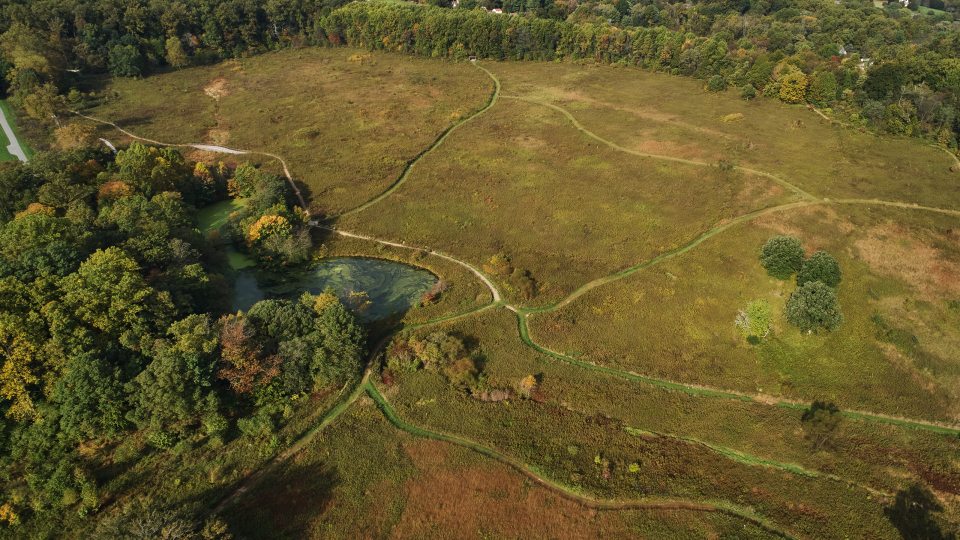
Aerial view of large gold meadow garden with forest areas surrounding it

About This District

The Meadow and Forest District is a large-scale landscape shaped over time and reflecting thousands of years of human cultivation. From the eastern deciduous woodlands where the indigenous Lenni-Lenape lived, hunted, and planted crops, to the European-style livestock pastures of the 18th and 19th centuries, to the principles of garden design and science-based land management that guide us today, this land takes guests not only on a journey through diverse habitats, but also time.

Gardens in this District

  • Forest Walk
    Two children holding toy airplanes run along a wooden walkway out of a wooden treehouse

    Forest Walk

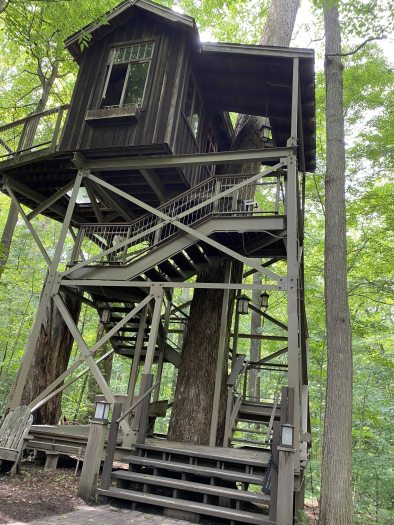
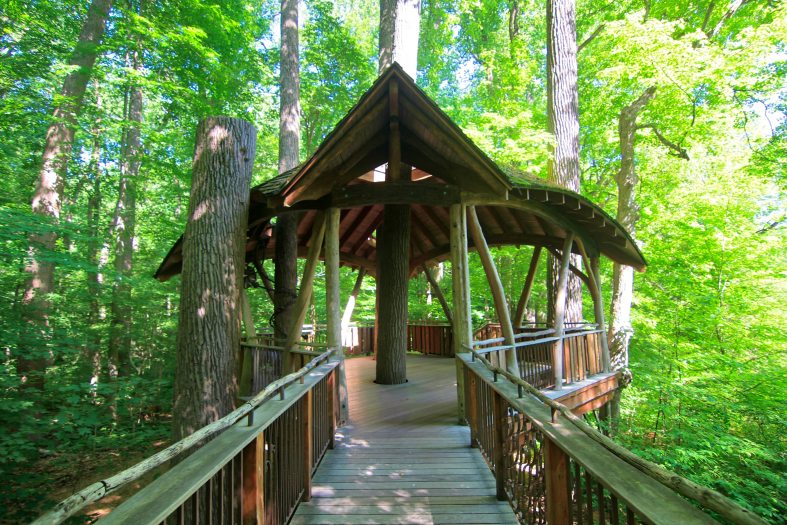
    Wander paths in a realm of scenic, intimate woodland beauty, shaded by soaring tulip-trees and the canopy of other deciduous hardwoods. Don’t miss two of our famed treehouses for a squirrel’s eye view into sylvan serenity.

  • Meadow Garden
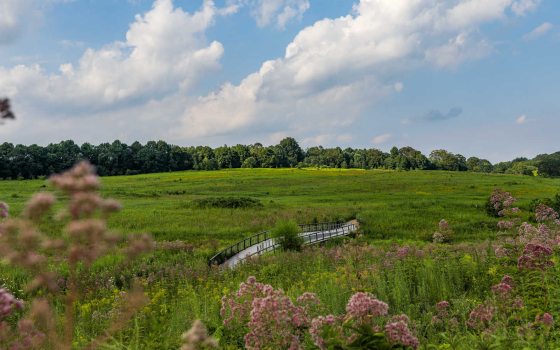
    a curving bridge punctuates a large grassy meadow under a blue sky

    Meadow Garden

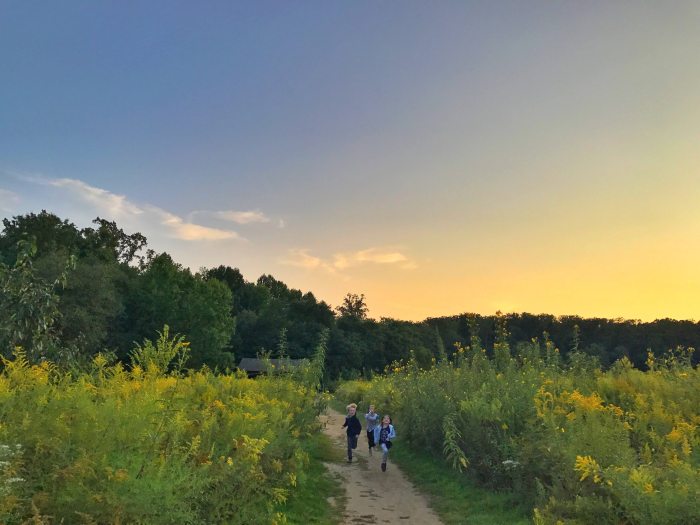
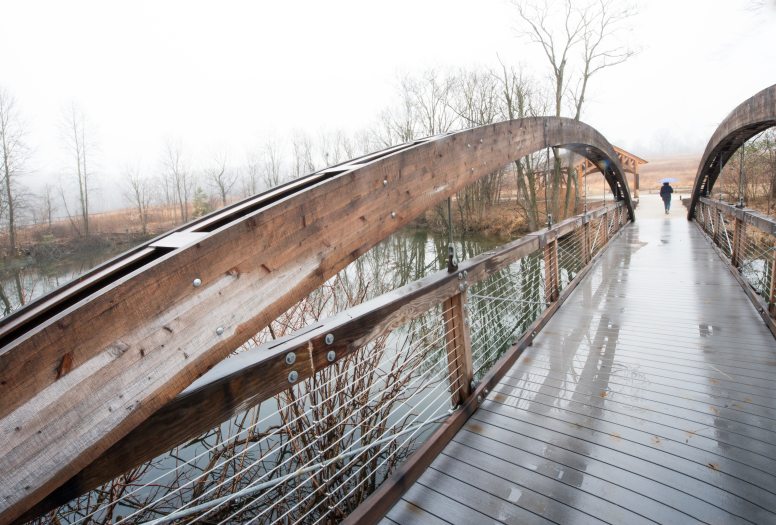
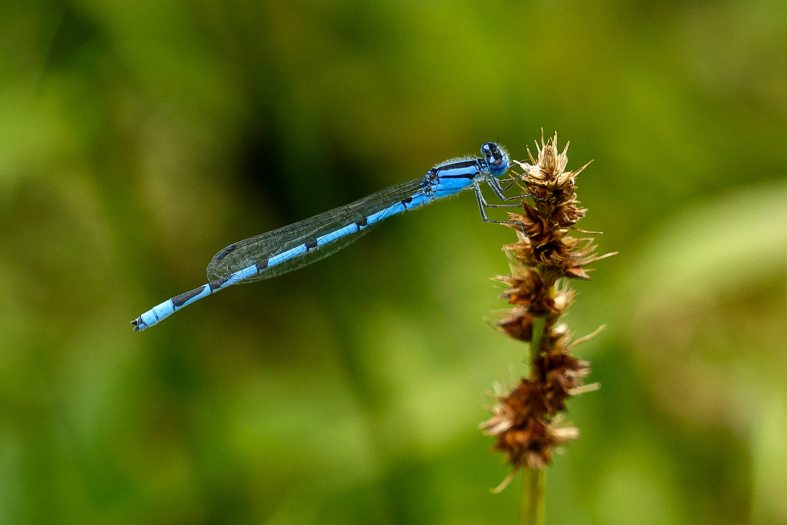
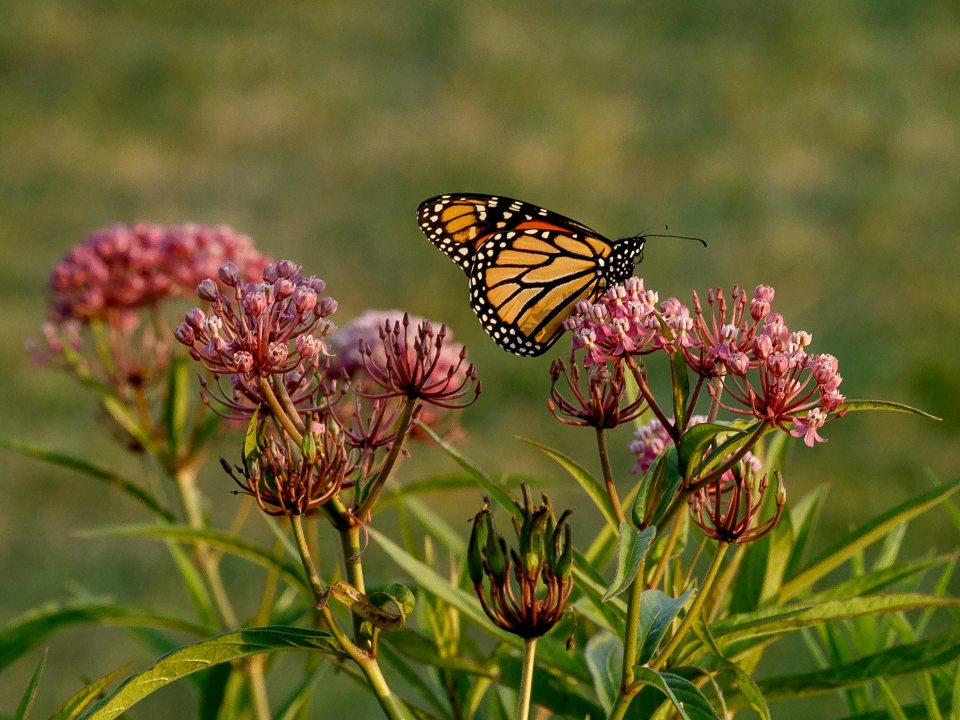
    Enjoy expansive vistas, sweeps of stunning native plants, and a tapestry of texture as you wander miles of trails past carefully managed wetlands, ponds, open fields, and the forest’s edge, set to the hum of busy insects and rustling plants.

Explore Our Natural Lands

Approximately 65 percent of our 1,100-acre property consists of natural lands—meadows, forest, wetlands, and agricultural fields—that provide an oasis for migratory birds and native wildlife while creating a buffer between the Gardens and neighboring properties. The Meadow and Forest District represents 120 acres of these managed lands that are open to our guests for exploration, learning, meditation, and beauty. Our legacy of conservation, preservation, and restoration continues here in the richly biodiverse habitats that can only thrive where they are given the proper care and space. We continue to shape this land with the same spirit of beauty, innovation, and stewardship that has led a century of progress at Longwood. 

In the Meadow and Forest District, we harmonize the best practices in ecological restoration with garden design—allowing us to showcase horticultural excellence and amplify beauty for our guests while prioritizing plant and animal communities. By following this approach, we preserve and improve the quality of the entirety of Longwood’s ecosystems, and biodiversity, from water to soil to air—while celebrating the human connections along the way.

What’s in Bloom

  • Golden Alexanders

    Zizia aurea

    Zizia aurea, commonly known as golden alexanders, is a cheerful native perennial valued for its clusters of bright yellow flowers that bloom in spring above attractive parsley-like foliage. Native to eastern North America, it naturally occurs in moist meadows, open woodlands, and along streambanks. As an early-season nectar source, it supports a wide range of pollinators and serves as a host plant for black swallowtail butterflies. Its adaptability, low-maintenance nature, and ability to naturalize make it an excellent choice for pollinator gardens, rain gardens, and naturalistic landscapes. 

  • Clusters of small, tubular, bell-shaped flowers that are primarily white with faint purple or pink streaks inside. They are two-lipped (with three lower lobes and two upper lobes) and feature a prominent, hair-tufted sterile stamen (the "beardtongue".

    Penstemon

    Penstemon digitalis

    This native member of the plantain family, which blooms in June, is a favorite of bumblebees. Penstemon naturalizes well in full sun and dry to moist soil conditions, adding early interest to the Meadow Garden.

  • Ohio Spiderwort

    Tradescantia ohiensis